
Why 3D-Guided Implant Planning Is Replacing ‘Freehand’ Implants in 2026 And Why Accuracy Matters More Than Ever
Choosing a dental implant is not just about replacing a missing tooth anymore. Patients today want solutions that last, feel natural, and protect their long-term oral health. In 2026, one major shift is clear: how an implant is placed matters just as much as the implant itself. More people searching for a teeth implant in Glenview are asking detailed questions about accuracy, safety, and technology, and for good reason.
At Glen Lake Dental Care, we see this change every day. Implant dentistry has moved beyond guesswork and manual techniques. Precision planning is now becoming the standard, not a luxury.
What Does “Freehand” Implant Placement Mean?
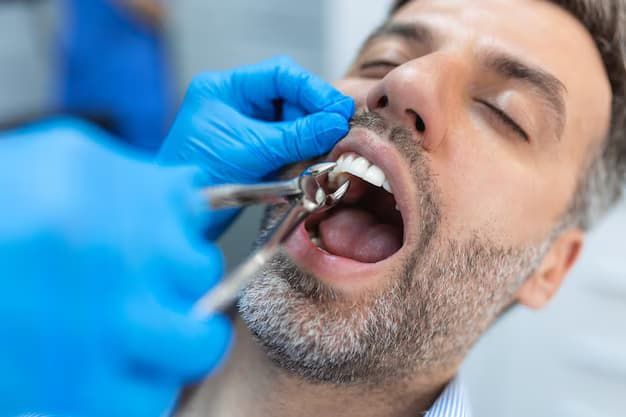
Traditional or “freehand” implant placement relies heavily on the dentist’s experience and visual judgment. While skilled hands can produce good results, freehand placement has limits. The dentist estimates bone depth, nerve location, and implant angle during surgery, often using basic X-rays as a reference.
This approach can work, but even small errors in angle or depth may lead to problems later. That is why many patients looking for a teeth implant in Glenview are now asking about more advanced options.
How 3D-Guided Implant Planning Works
3D-guided implant planning uses CBCT (cone beam CT) imaging and digital software to create a complete three-dimensional view of your mouth before surgery begins. We can see bone thickness, nerve pathways, and sinus spaces with high accuracy.
Using this data, we plan the exact implant position before the procedure. A digital guide may even be created to help place the implant at the planned angle and depth. This approach removes much of the uncertainty found in freehand techniques.
For patients considering a teeth implant in Glenview, this means safer treatment and more predictable results.
Lower Risk of Nerve Injury
One of the biggest concerns with implant placement is nerve damage. Nerves in the lower jaw control feeling in the lips and chin. With freehand placement, estimating nerve position carries some risk.
3D imaging allows us to clearly map nerve locations before surgery. By planning around these structures, we greatly reduce the chance of nerve irritation or injury. This level of safety is a major reason guided implants are becoming more common for anyone needing a teeth implant in Glenview.
Reduced Risk of Implant Failure
Implants need strong bone support to succeed. If an implant is placed at the wrong angle or into weak bone, it may fail to fuse properly.
Digital planning helps us select the strongest bone areas and choose the right implant size. This improves stability and healing, especially for patients who have had tooth loss for a long time. When patients invest in a teeth implant in Glenview, they want confidence that it will last, and guided planning helps support that goal.
Protecting Bone Over Time
Bone loss often follows tooth loss. Poorly placed implants can increase stress on surrounding bone, leading to gradual loss around the implant.
By placing implants in ideal positions, guided planning helps distribute bite forces evenly. This protects bone levels and supports long-term success. Patients seeking a teeth implant in Glenview are often surprised to learn that precision today can prevent bone problems years later.
Why Accuracy Matters for Different Implant Types
Not all implant cases are the same. Accuracy becomes even more important in complex treatments.
- Single-tooth implants require perfect alignment to match neighboring teeth
- Full-arch restorations depend on balanced placement to support multiple teeth
- Implant-supported dentures need precise spacing for comfort and stability
In each case, guided planning improves comfort, appearance, and long-term performance. This is why many people researching a teeth implant in Glenview now prioritize digital planning when choosing a dental provider.
Bite Stability Goes Beyond Healing
Healing is only the first step. A dental implant must work with your bite every day when you chew, speak, and smile. Even a small misalignment can cause uneven pressure, leading to wear, discomfort, or future repairs.
Digital implant planning allows us to consider bite forces before surgery. This leads to better balance and long-term comfort. For patients receiving a teeth implant in Glenview, this attention to detail makes a noticeable difference.
Our Approach at Glen Lake Dental Care
We believe implant treatment should be predictable, comfortable, and built for long-term success. That is why we focus on advanced imaging, careful planning, and patient education. When someone comes to us for a teeth implant in Glenview, we take time to explain the process and why precision matters.
Implant dentistry in 2026 is about smarter planning, not rushed procedures. By using modern tools and a thoughtful approach, we help patients feel confident about their decision, not just today, but for years to come.
If you are considering a teeth implant in Glenview, understanding how it is planned may be one of the most important steps you take toward a healthier, more secure smile.