
New Title
A recommendation for a root canal can raise a lot of questions, even when you're not in constant pain. You might wonder why treatment is necessary, whether another option could work instead, or what happens if you delay treatment.
Understanding the diagnosis makes the whole decision easier to sit with. If you're considering a root canal in Glenview, the best place to start is learning what your dentist is actually looking for, why the tooth needs treatment, and which options genuinely fit your situation.
Why a root canal may be recommended
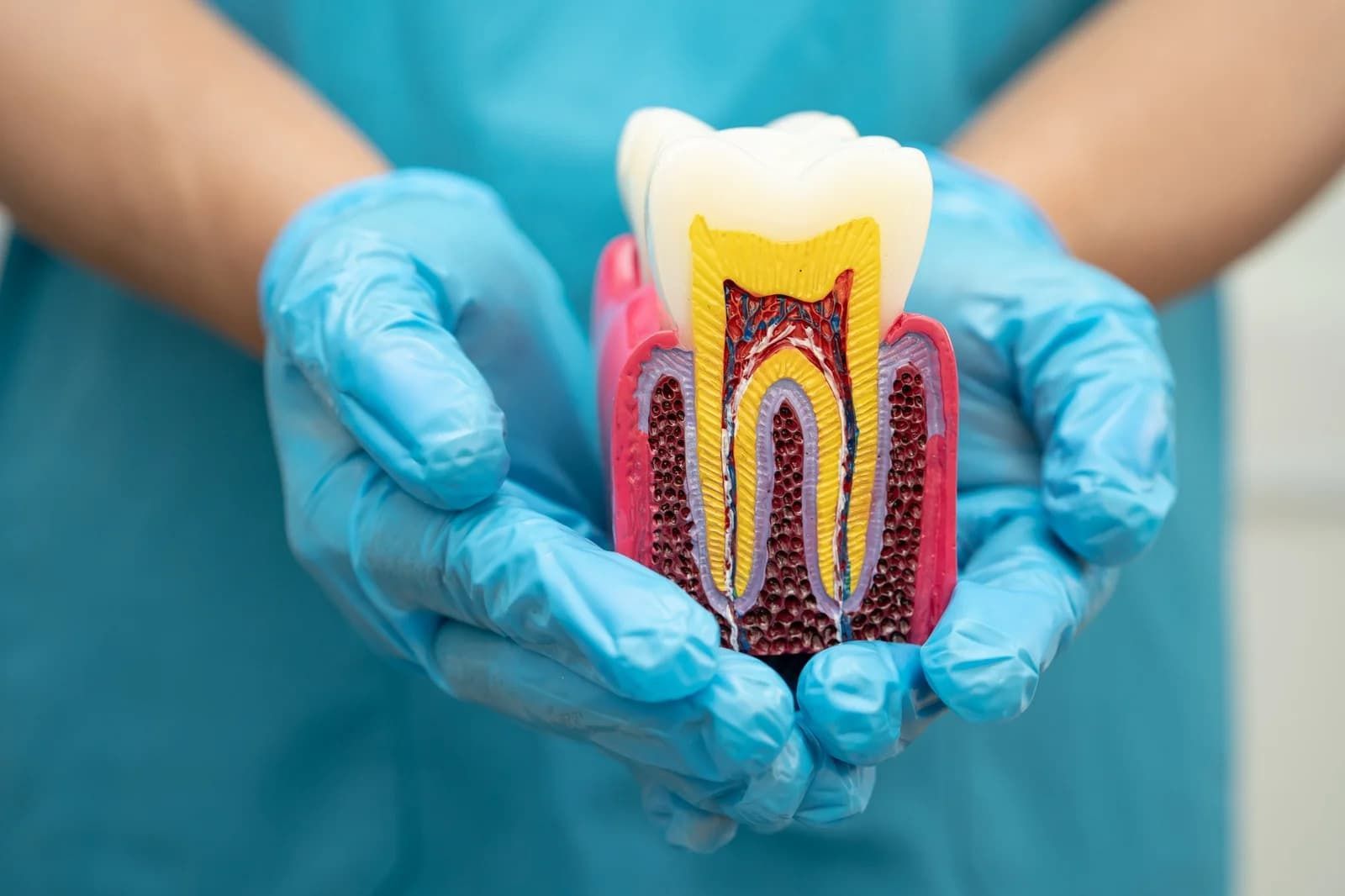
Inside every tooth is a soft area called the pulp, packed with nerves and blood vessels. Deep decay, a crack, repeated dental work, or an injury can damage or infect that tissue. When the pulp becomes severely inflamed or infected, root canal treatment is recommended to remove the affected tissue and clean out the inside of the tooth.
Pain is a common warning sign, but it's not required. Some teeth with real pulp damage cause surprisingly little discomfort, especially once the nerve has stopped functioning altogether. Other symptoms include sensitivity to hot or cold, pain when biting down, swelling, tenderness, or a recurring pimple on the gum near the tooth.
A root canal in Glenview can be recommended even when the symptoms feel manageable day to day.
How your dentist confirms the diagnosis
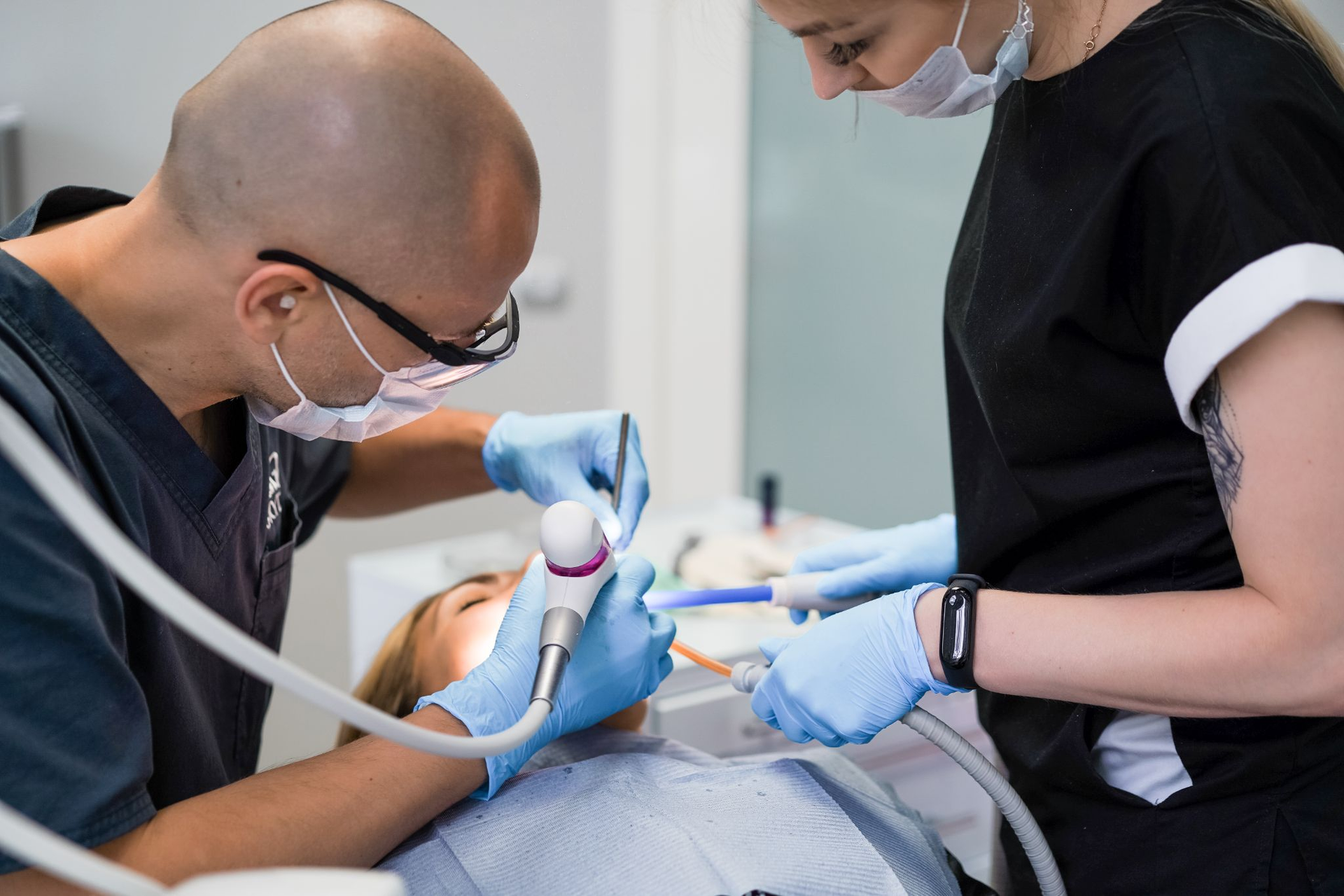
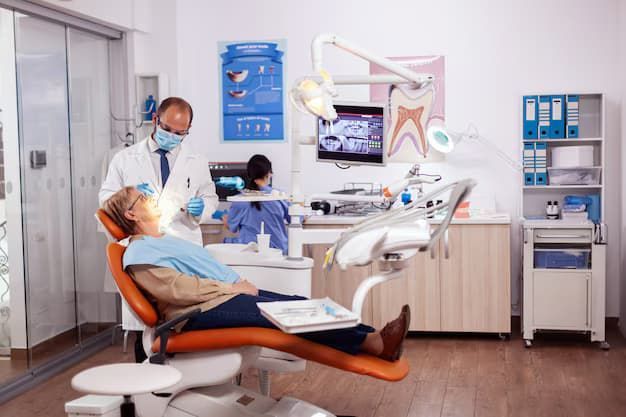
The dentist will typically ask about your symptoms, examine the tooth and surrounding gums, and run tests that check how the tooth responds to temperature or other stimuli. Dental X-rays can reveal changes around the root and problems that don't show up during a standard exam.
All of these findings get weighed together. The goal is figuring out whether the pulp is irritated, inflamed, infected, or simply beyond recovery at this point.
If the recommendation isn't clear to you, ask what the examination actually showed and why the proposed treatment fits those findings specifically. A clear explanation is what lets patients make an informed decision instead of just taking it on faith.
Questions to ask before treatment
Before committing to a root canal in Glenview, consider asking:
- What is causing the problem inside the tooth?
- What did the X-ray and other tests actually show?
- Is the pulp likely to recover without treatment?
- What could happen if treatment is delayed?
- Are there other reasonable options?
- Will the tooth need a crown or another restoration afterward?
- What should recovery feel like?
A good dentist explains the benefits, limitations, risks, and next steps in language you can actually follow, not dental jargon you have to look up later.
Is there always an alternative?
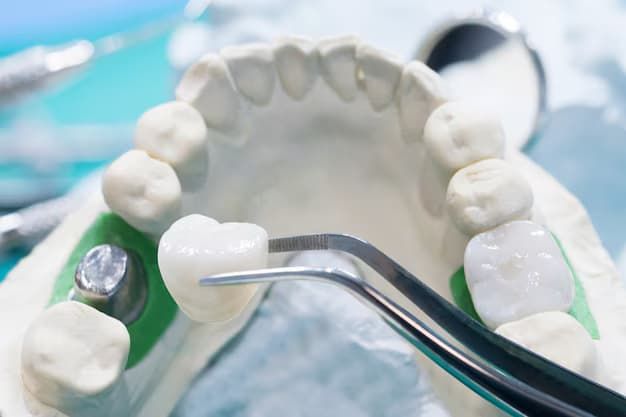
Not every damaged tooth needs a root canal, but the alternatives depend entirely on the diagnosis. A small cavity might just need a filling. Some cracked or severely damaged teeth call for a different restorative approach altogether. In other cases, the tooth may be too compromised to save, which makes extraction the more realistic option.
If the pulp is irreversibly damaged or infected, simply placing a filling over the tooth won't remove the actual problem underneath it. Delaying necessary care lets infection keep progressing, and can make the tooth much harder to restore later on. The diagnosis should be what drives the decision, not convenience or timing.
When discussing a root canal in Glenview, ask the dentist to explain why the tooth can, or can't, be preserved. Understanding that distinction matters a lot when you're weighing your actual options.
What happens during a root canal?
During root canal treatment, the dentist creates a small opening in the tooth, removes the damaged pulp, cleans and disinfects the internal canals, and fills the space to help prevent further infection. The tooth then gets sealed, often with a temporary restoration first, followed by a permanent one.
Modern dental techniques and local anesthesia are designed to make the whole process manageable, not something to dread. Some tenderness afterward is normal. Depending on how much structure remains and where the tooth sits, a treated tooth may also need a crown.
Choosing care that fits your needs
When looking for a root canal in Glenview, think beyond just convenience. Look for a dental team that examines the tooth carefully, explains the diagnosis clearly, discusses alternatives when they genuinely exist, and answers your questions before treatment ever begins.
At Glenlake Dental Care, hearing the words "root canal" can feel stressful, and that's understood going in. The focus stays on the actual condition of the tooth and the reasoning behind whatever care gets recommended. Clear communication is what makes the decision easier for everyone involved.
A root canal in Glenview should be based on your individual dental findings, not a one-size-fits-all script. The team should be able to walk you through the findings and explain what comes next.
Preparing for your appointment
Write down when your symptoms started, what triggers them, and whether they come and go. Tell the dentist about previous dental work, injuries, medications, and any changes you've noticed recently, even small ones. If you feel anxious about the whole thing, the team can walk you through the process more slowly and clearly.
Ask about the expected number of visits, restoration needs, aftercare, and the signs that would call for a follow-up. Questions like these make the appointment far more productive than sitting quietly and hoping for the best.
At Glenlake Dental Care, the goal is helping you understand exactly why a root canal in Glenview has been suggested and what treatment choices actually make sense for your situation, so you leave with a real plan, not just an appointment card.
Conclusion
A root canal recommendation doesn't have to leave you guessing. The most useful first step is understanding the diagnosis, the condition of the pulp, the health of the tooth, and the choices actually available to you. Whether treatment is needed right away or another approach is possible, informed decisions start with clear communication between you and your dentist.
If you're researching a root canal in Glenview, bring your questions to the appointment. A thoughtful evaluation helps you understand exactly what's happening and choose care that protects your oral health while supporting the long-term function of your natural tooth.