
Dental Emergencies: Whitening, Veneers & Tooth Replacement Options
Dental emergencies need quick attention when there’s severe pain, swelling, bleeding, or a damaged tooth. Cosmetic concerns are different. Stained teeth, chips, or missing teeth can usually be treated after any urgent problem has been dealt with.
The first step is figuring out what’s actually going on. A painful tooth may need same-day care, while whitening or replacing a missing tooth can usually be planned for a later visit. A dental exam helps sort out what needs attention now and what can wait.
What should I do if I have a severe toothache?
Severe tooth pain can signal a dental problem that needs prompt attention, so it's important not to ignore it.
- Don't ignore severe tooth pain. Deep decay, infection, a cracked tooth or damage to the tooth pulp can cause intense pain.
- Use pain medicine only for temporary relief. It may reduce discomfort for a few hours but won't treat the underlying dental problem.
- Rinse your mouth gently with warm water while waiting to see a dentist.
- Keep the affected area clean and avoid irritating the painful tooth.
- Use a cold compress against the outside of your cheek if swelling is present.
- Don't place aspirin directly on the tooth or gums, as it can irritate the surrounding tissue.
- Seek urgent dental or medical care if severe tooth pain is accompanied by facial swelling, fever, difficulty swallowing, or difficulty breathing.
What should I do if I break or chip a tooth?
A broken or chipped tooth should be checked, even when it doesn't hurt. A tiny chip may be fairly simple to repair.
A deeper fracture is a different story and can involve the inner part of the tooth.
Rinse your mouth with water and try not to chew on that side. If you found the broken piece, place it in milk or saliva and take it with you to the dentist.
A small chip may be repaired with bonding, which can also be considered a cosmetic dentistry treatment when the goal is to restore the tooth's appearance. Larger damage might require a veneer, crown, or another restoration. The right treatment depends on how much of the tooth has been affected.
When should I see a dentist for a dental emergency?
Severe tooth pain, heavy swelling, bleeding that won't stop, major dental trauma or a knocked-out permanent tooth should be treated promptly. Trouble breathing or swallowing is more serious, and needs immediate medical attention.
Also, don't assume a mild injury is harmless just because it doesn't hurt much. A tooth can have damage below the surface without causing strong symptoms right away.
If a permanent tooth gets knocked out, hold it by the crown, not the root. Keep it moist and get to a dentist as quickly as you can.
How can cosmetic dentistry treatments improve my smile?
Cosmetic dentistry can change the look of teeth that are stained, chipped, uneven, or misshapen. Depending on the problem, treatment might include professional whitening, bonding, veneers, crowns, or tooth replacement.
Whitening can lighten certain stains on natural teeth. Bonding works well for some small chips and changes in tooth shape. Veneers can change the visible color and shape of selected teeth.
There’s one catch. Your teeth and gums should be healthy before cosmetic treatment begins. Cavities, gum disease, infections, and other problems may need to be treated first.
How does professional Zoom teeth whitening work?
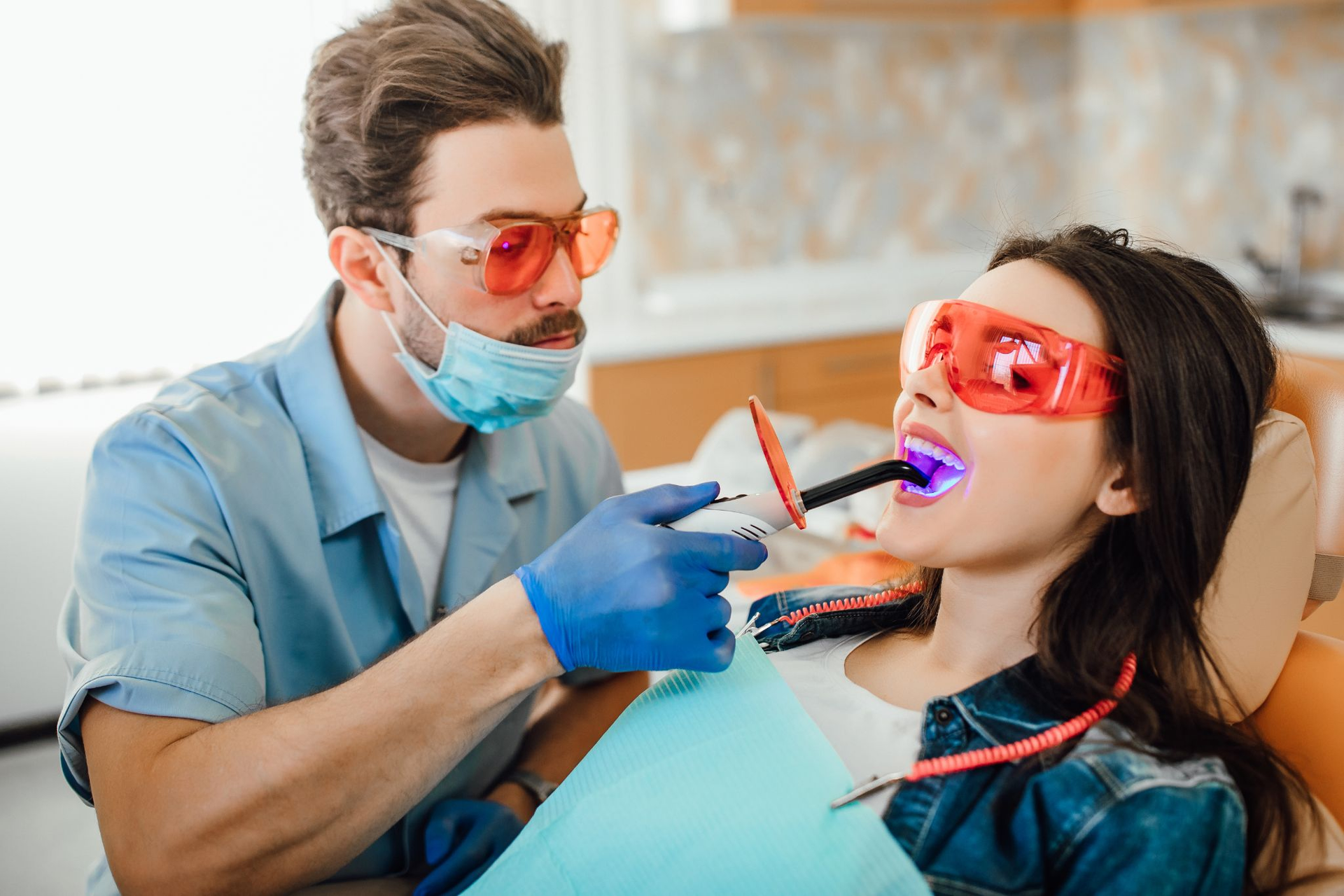
Professional Zoom teeth whitening uses a peroxide-based gel to lighten natural teeth. The treatment is performed under dental supervision with the gums, and nearby tissues protected during the procedure.
The whitening gel is applied to the teeth as directed by the particular Zoom system. Some systems also use a specialized light. Treatment time varies depending on the system and what your teeth need.
Whitening doesn't change the color of veneers, crowns, fillings, or dentures. So if you already have dental restorations, they may stay the same shade while your natural teeth become lighter.
Some people also experience temporary sensitivity after whitening. This is more likely if your teeth are already sensitive.
What is the difference between porcelain and composite veneers?
Porcelain veneers are thin ceramic restorations placed over the front of the teeth. Composite veneers use tooth-colored resin that is applied, and shaped directly on the tooth.
Porcelain is generally more resistant to staining and can provide a natural-looking finish. Composite veneers can often be completed more quickly, and may require less tooth preparation.
Neither option is automatically the better choice.
Your dentist will consider the condition of your teeth, the change you want, your budget and how long you want the treatment to last. If you have decay or gum disease, those problems should be addressed before veneers are placed.
How do I know whether I need dentures or dental implants?
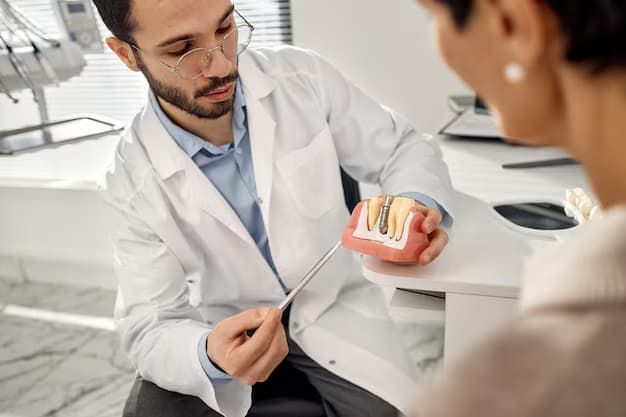
Dentures can replace several missing teeth or a full set of teeth without implant surgery. Dental implants are placed into the jawbone and can support replacement teeth for people who are good candidates.
Implant treatment depends partly on bone support, and gum health. Oral hygiene and the condition of the remaining teeth matter, too. Some patients need additional treatment before an implant can be placed.
Dentures are removable and don't require implant surgery, but they can move while eating or speaking. Implants can provide more stability although treatment involves surgery, healing time and usually a longer process.
A dental exam and appropriate imaging can help determine whether dentures, implants, bridges, or an implant-supported denture would be a good fit.
What are the main tooth replacement options?
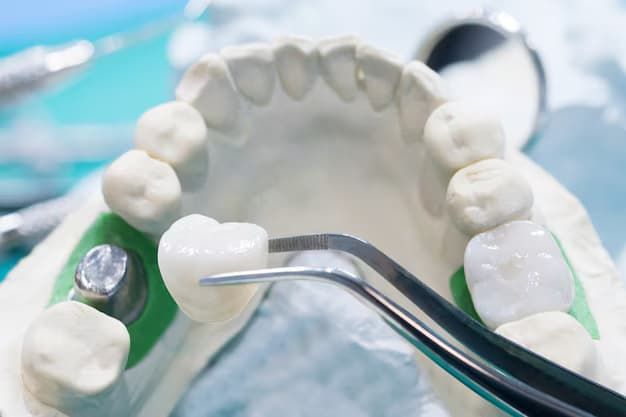
Common tooth replacement options include dental implants, bridges, partial dentures, complete dentures, and implant-supported dentures.
The best choice depends on how many teeth are missing and what condition the remaining teeth are in. Bone support and gum health also need to be considered.
A bridge uses nearby teeth for support. Dentures can be removed. Implants are placed into the jawbone, and can support an individual crown, a bridge, or a denture.
Replacing missing teeth can make eating easier and improve the appearance of your smile. Your dentist can compare the available choices after examining your teeth, gums and supporting bone.
Can cosmetic dentistry treatments fix chipped or stained teeth?
Yes. Cosmetic dentistry can often improve teeth that are chipped, stained, or uneven.
A small chip may be repaired with bonding. Some types of discoloration respond well to professional whitening. Veneers can be considered when a larger change in tooth color or shape is wanted.
But the reason behind the problem matters. If a tooth is damaged by decay, trauma or infection, that problem may need to be treated before cosmetic work begins. Otherwise, you could be covering up a dental issue that still needs attention.
Where Can You Get Dental Emergency and Cosmetic Dental Services?
For emergency dental care, whitening, veneers, or tooth replacement, at Glenlake Dental Care, we offer general and cosmetic dentistry, veneers, dental implants, dentures, crowns, and bridges in Glenview, IL. You can contact us at (847) 724 - 3969
Frequently Asked Questions
Can a severe toothache go away on its own?
A severe toothache can disappear for a while even when the problem hasn't gone away. Decay, infection, cracks, and nerve damage can all cause pain that comes and goes.
If the pain returns, or you notice swelling, fever, sensitivity, or pain when biting, arrange a dental examination.
Is a chipped tooth always a dental emergency?
No. A small chip without pain may not require emergency treatment, but it should still be checked.
A larger fracture, severe pain, bleeding, swelling, or exposed inner tooth structure needs quicker attention. The dentist may need to protect the tooth or begin treatment right away.
How long does professional Zoom teeth whitening take?
Professional Zoom whitening is usually completed during a dental appointment. The exact treatment time depends on the whitening system being used and your individual needs.
Results can vary, too. Your natural tooth color, the type of staining, enamel condition, and the cause of discoloration can all affect how much your teeth lighten.
Are porcelain veneers better than composite veneers?
Not for everyone. Porcelain veneers generally offer good stain resistance and a natural appearance. Composite veneers can often be completed faster and may involve less tooth preparation.
Your dentist can look at your teeth and help you choose the material that makes sense for the result you want.
Are dental implants better than dentures?
Dental implants and dentures solve the same basic problem in different ways. Implants can provide a fixed, stable replacement for suitable candidates, while dentures offer a removable option without implant surgery.
Bone support, gum health, treatment needs, budget, and personal preference all affect the decision.
Can whitening change the color of veneers or dentures?
Usually, no. Whitening treatments work on natural teeth, not on veneers, dentures, crowns, or fillings.
That means an existing restoration may stay the same shade while your natural teeth become lighter. If you're planning whitening along with restorative treatment, your dentist can help coordinate the timing and shade selection.