
Which Parts of Dental Implant Treatment Might Insurance Actually Cover?

Dental implants can involve more than one procedure, which can make insurance questions surprisingly difficult. A patient may think of an implant as one treatment, while an insurance plan may consider the implant, restoration, imaging, surgery, and related services separately. If you are researching dental implants and trying to understand your potential costs, knowing how those pieces fit together can make the conversation with your insurance company much clearer.
At Glen Lake Dental Care, we know that financial questions often come before treatment decisions. We encourage our patients to ask what their plan may cover, what it may exclude, and which parts of proposed treatment should be checked before moving forward.
Why "Does Insurance Cover Implants?" Is Not a Simple Question
Dental insurance plans do not all treat tooth replacement in the same way. Some policies may exclude implants altogether, while others may provide benefits for certain components of implant treatment or apply coverage under another category. That distinction matters.
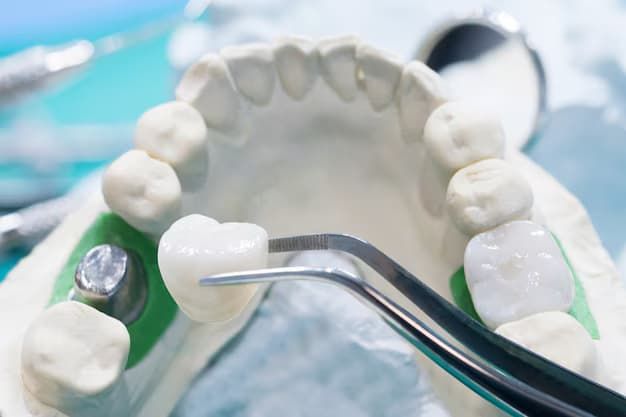
A dental implant restoration typically involves several stages. The implant itself replaces the tooth root. A connector called an abutment may be used to attach the replacement tooth, while a crown can provide the visible tooth structure. Depending on the patient's circumstances, there may also be consultations, diagnostic imaging, extractions, or other procedures involved. Your policy may treat each service differently.
So when someone asks whether their insurance covers dental implants, the more useful question is often: Which specific services related to my treatment are covered under my plan?
We can help patients understand the treatment being discussed, but the insurance company ultimately determines benefits according to the individual policy.
The Implant and the Replacement Tooth May Be Treated Differently
One of the first things to clarify is that the implant fixture and the visible replacement tooth are not necessarily considered the same service by an insurance plan.
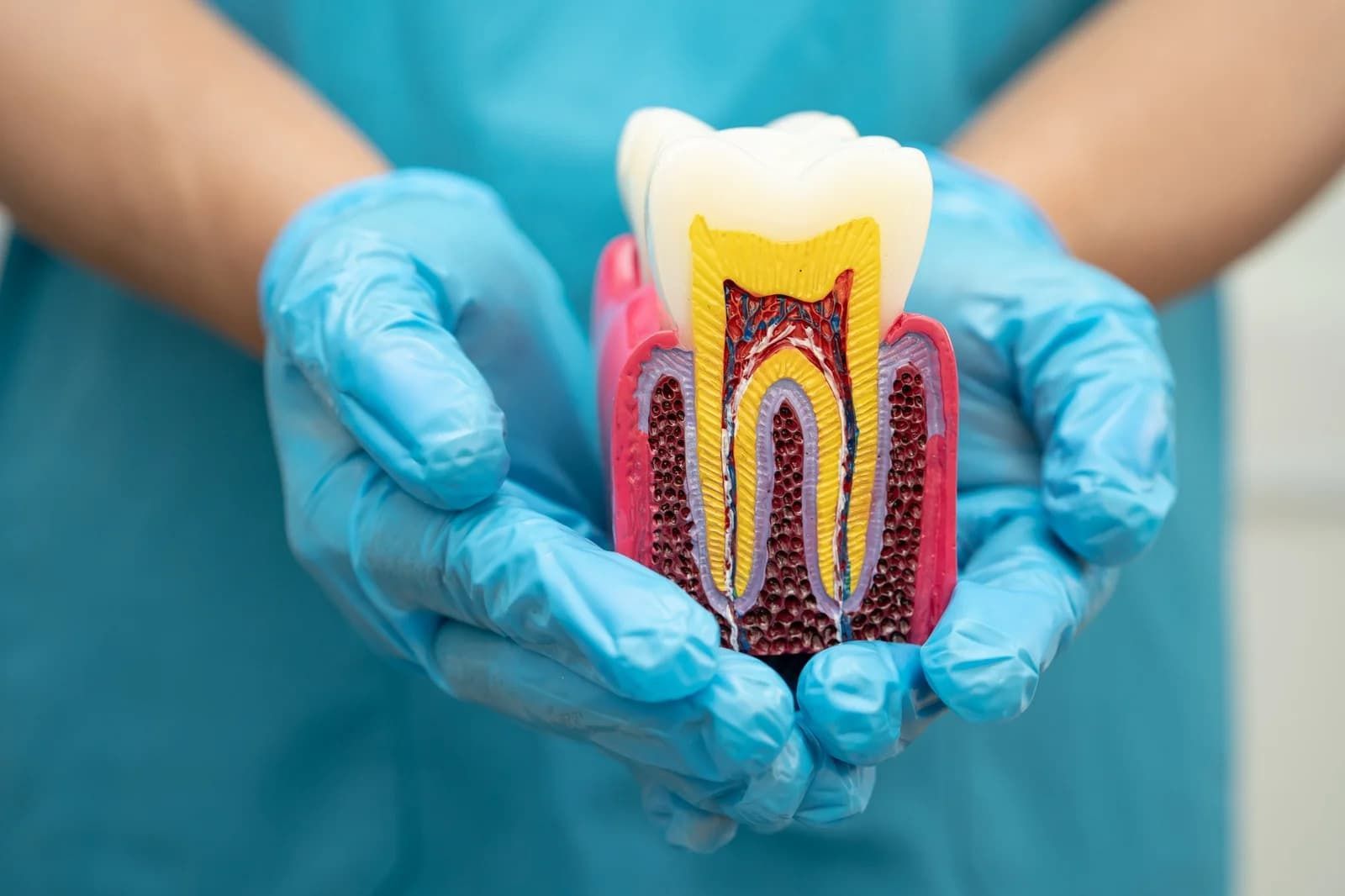
The implant fixture is placed into the jaw and serves as the foundation for the restoration. The replacement tooth, such as a crown, is the part that sits above the gumline. An abutment may connect the two. That distinction can matter when reviewing an insurance estimate.
For example, a plan might provide a benefit toward a restorative procedure while excluding the surgical implant placement. Another plan may have a waiting period, annual maximum, missing-tooth limitation, or other restriction that affects the final amount.
This is why we recommend asking the insurer to review the specific procedure codes associated with the proposed treatment rather than relying only on a general statement that implants are or are not covered.
Ask About Related Services, Not Just the Implant
There can be other services connected with replacing a missing tooth. Whether they are covered depends on the patient's situation and the terms of the insurance plan.
Diagnostic imaging is one example. Your dental team may need appropriate images to evaluate the area and plan treatment. An extraction may be necessary if a damaged tooth remains in place. In some cases, additional procedures may be considered before implant placement.
None of these should automatically be assumed to have the same coverage as the implant itself.
When we discuss treatment with patients at Glen Lake Dental Care, we want the conversation to include the practical side of care as well as the clinical side. That means looking at what treatment is being proposed and encouraging patients to ask their insurer how each relevant service is handled.
A pre-treatment estimate can sometimes help clarify the expected insurance contribution before treatment begins, although an estimate is not necessarily a guarantee of payment.
Your Annual Maximum Can Affect What You Pay
Even when an insurance plan provides benefits for part of implant treatment, the annual maximum can affect the amount the plan actually pays during a particular benefit year.
For example, imagine a policy has a remaining annual maximum that is smaller than the total amount of covered dental treatment being considered. The insurer may pay eligible expenses only until that maximum is reached. The patient may then be responsible for additional eligible costs during that period. This is one reason timing can matter when several dental procedures are being planned.
Your deductible, coinsurance, waiting periods, frequency limitations, and other policy rules can also affect your out-of-pocket amount. These details vary by plan, so we do not want patients to assume that another person's insurance experience will apply to them.
If you are considering dental implants, asking your insurer for a written breakdown can give you a clearer starting point for understanding your expected financial responsibility.
Ask These Questions Before Starting Treatment
A short list of insurance questions can save you from making assumptions later.
Ask your insurance provider:
- Are implant placement procedures covered under my plan?
- Is the implant restoration covered?
- Are the abutment and crown covered separately?
- Are diagnostic X-rays or other required imaging covered?
- Are there waiting periods that apply?
- Is there a missing-tooth exclusion or limitation?
- What deductible applies?
- What percentage of eligible treatment does the plan pay?
- How much of my annual maximum remains?
- Does my plan require preauthorization or a predetermination of benefits?
It can also help to ask the insurer for the procedure codes being reviewed. Coverage decisions are generally tied to the services submitted rather than the broad phrase "dental implants."
Insurance Coverage Should Be One Part of the Conversation
Cost matters, but insurance coverage should not be the only factor when discussing tooth replacement. The appropriate treatment depends on the condition of the tooth or missing-tooth area, your oral health, your goals, and the treatment options available to you.
At Glen Lake Dental Care, we can explain the treatment we are recommending and discuss the questions you should take to your insurance provider. We can also help you understand what each part of the proposed care is intended to accomplish.
If you are comparing dental implants with other tooth replacement options, ask for the costs of the relevant treatment components rather than looking only at one total figure. A clear breakdown makes it easier to compare your options and understand where insurance benefits may apply.
Know What Your Plan Says Before You Assume What It Pays
There is no universal answer to how much insurance will cover for implant treatment. Two people can receive similar dental care and have very different out-of-pocket costs because their insurance policies have different exclusions, maximums, deductibles, and benefit structures.
Before beginning treatment, ask your insurer to review the specific services involved and request a written estimate when available. Keep the explanation of benefits and other insurance paperwork so you can compare the final claim with the information you were given beforehand.
If you are considering dental implants, our team at Glen Lake Dental Care can help you understand the dental side of the treatment and identify the questions worth asking about your coverage. That way, you can make financial decisions with a clearer picture of what your insurance plan actually says.