
Crowns, Bridges, Root Canals & Gum Disease: Restorative Dental Care
A tooth starts hurting when you chew. An old filling breaks. Or you notice blood in the sink after brushing your teeth. These problems can seem unrelated, but each may need attention from your dentist. Restorative dental care focuses on repairing damaged teeth, and replacing missing ones.
Dental crowns protect teeth that have lost strength, dental bridges replace missing teeth and root canal treatment can save a tooth when the pulp inside becomes infected. Gum disease needs its own treatment because it can damage the tissues and bone that hold teeth in place.
What is the difference between a dental crown and a bridge?
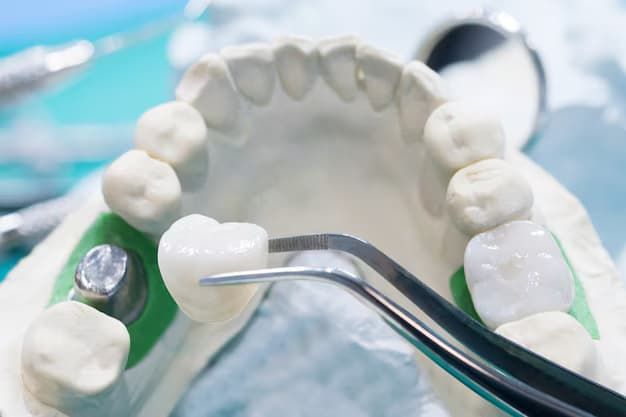
A dental crown covers an existing tooth, while a dental bridge fills the gap left by a missing tooth. The choice comes down to whether the tooth is still there, and whether it can be repaired.
A crown may be recommended if a tooth has a large filling, extensive decay or a crack that makes it weak. The dentist reshapes the tooth so the crown can fit over it and help it handle everyday chewing.
A bridge works differently. It replaces a missing tooth and may be supported by neighbouring teeth, or dental implants, depending on the design. Traditional bridges often use crowns on the supporting teeth, with a replacement tooth in between.
If a damaged tooth can be saved, a crown may be the better option. If it's already missing, a bridge may be worth discussing.
Read more about crowns and bridges in Glenview.
When might I need a dental crown instead of a filling?
You may need a dental crown when a filling can't provide enough support for a damaged tooth. Small cavities can often be repaired with fillings but extensive decay or a large, failing filling can leave the tooth at risk of cracking.
Restorative dental care helps address this damage and protect the tooth's remaining structure.
Your dentist may recommend a crown if a tooth has a deep crack, or has lost a substantial amount of its natural structure. Crowns are also often used after root canal treatment when the remaining tooth needs extra protection.
The crown procedure usually takes place over two appointments though the exact process varies. First, the dentist prepares the tooth and takes an impression or digital scan. A temporary crown may cover the tooth while the permanent one is being made. At the next visit, the dentist checks the fit, and your bite before securing it.
A crown isn't necessary for every damaged tooth. The amount of healthy tooth remaining makes a real difference, so ask your dentist why a crown is recommended instead of a filling.
How long can dental crowns and bridges last?
Dental crowns and bridges can last for many years, but their lifespan depends on how they're made and cared for. Some crowns last beyond 15 years while others need replacement sooner.
Crowns often last around 5 to 15 years. Bridges can also last for years, provided the supporting teeth or implants remain healthy. These are general estimates not a guarantee.
Crown longevity depends partly on everyday habits. Brush twice a day with fluoride toothpaste and clean between your teeth daily. If you have a bridge pay particular attention to the space beneath the replacement tooth, where food and plaque can collect. Your dentist can show you how to clean that area.
One more thing: avoid chewing ice or other hard objects. If a crown or bridge feels loose, causes pain or suddenly changes your bite, book an appointment. Don't wait for it to fall out.
What are the signs that I may need a root canal?
Persistent tooth pain, lingering sensitivity to hot or cold, pain when chewing and swelling near a tooth can all be root canal symptoms. You might also notice a small bump on your gums, or a tooth that has become darker.
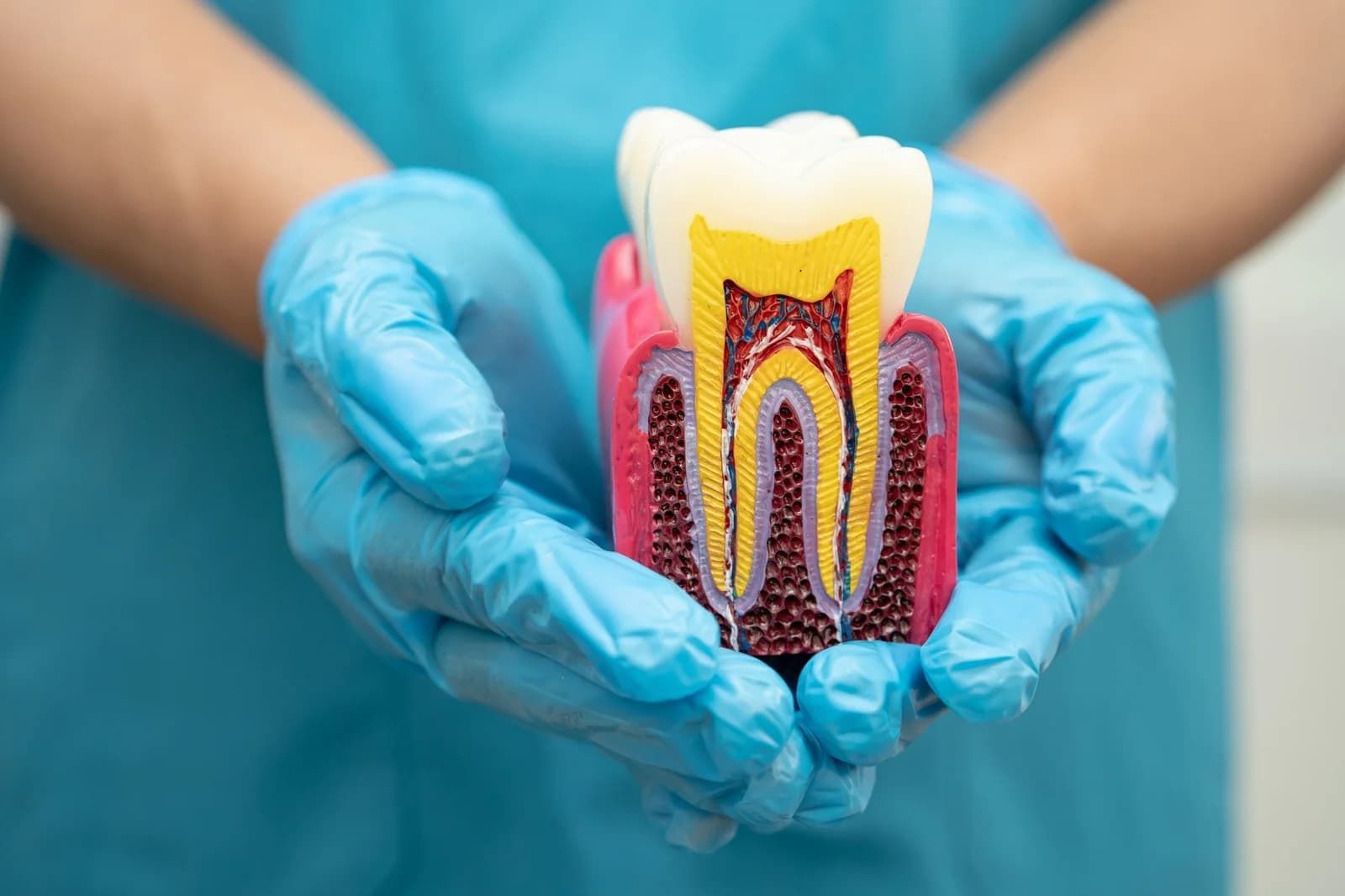
Inside each tooth is soft tissue called the pulp. It contains nerves and blood vessels. Deep decay, a crack or an injury can damage or infect the pulp, and root canal treatment may be needed to save the tooth. This type of restorative dental care can help preserve a natural tooth when the damage is treatable.
Here's the tricky part: an infected tooth doesn't always hurt badly. Sometimes the pain fades even though the problem hasn't gone away. So if you had a toothache that suddenly stopped, don't assume the tooth has healed.
At Glenlake Dental Care, we examine the tooth and may take X-rays to check its roots, and surrounding bone. The results help determine whether root canal treatment is suitable.
You can learn more about the root canal treatment service in Glenview.
What happens during a root canal treatment?
Root canal treatment removes infected or damaged pulp from inside a tooth, cleans the canals and seals them to help prevent further infection. The aim is to keep the natural tooth when possible.
Your dentist numbs the area before making a small opening in the tooth. The damaged pulp is removed, and the canals are cleaned, shaped and filled. Depending on how much tooth structure remains, a crown may be needed afterward to help protect it from breaking.
What about recovery? Some tenderness for a few days is common after treatment. Root canal recovery varies from person to person, so follow your dentist's instructions and contact the office if pain gets worse or swelling develops.
Don't put off a recommended permanent restoration. A tooth that has had root canal treatment may still be weak, especially if decay or a large filling has already damaged it.
What are the early signs of gum disease?
Bleeding during brushing or flossing is one of the early signs of gum disease. Your gums may also look red or swollen, or you may notice bad breath that keeps coming back. These changes can appear even when your mouth doesn't hurt.
Look out for these signs:
- Bleeding gums: You notice blood when brushing or flossing.
- Red or swollen gums: The gumline looks irritated or feels tender.
- Persistent bad breath: Unpleasant breath continues despite regular cleaning.
- Receding gums: Your gums appear to be pulling away from your teeth.
- Loose teeth: A tooth feels unstable, which can signal advanced gum disease.
Loose teeth need prompt attention because they may indicate damage to the tissues supporting your teeth. Gum health also matters before placing crowns or bridges. As part of restorative dental care, your dentist may recommend treating active gum disease first to help protect your teeth and support the success of your dental restorations.
Read more about how dentists treat gum disease.
Frequently asked questions
Can a root canal save a badly damaged tooth?
Yes, if enough healthy tooth structure remains to restore it. Your dentist will examine the tooth, and surrounding tissues before recommending treatment.
Will I always need a crown after a root canal?
No. It depends on the tooth's location, and how much healthy structure remains. A significantly weakened tooth may need a crown for protection.
Can gum disease affect crowns and bridges?
Yes. Gum disease can damage the tissues, and bone supporting teeth. Treating it and maintaining good oral hygiene can help protect your restorations.
What should I do if my crown feels loose?
You may contact us for an examination. Avoid chewing hard foods on that side until the crown has been checked. Never use household glue to secure it.
How do I know which restorative treatment I need?
Arrange a dental examination. Your dentist can assess your teeth and gums and explain whether a filling, crown, bridge, root canal or gum treatment is suitable.