
Why ‘Healthy Gums’ Now Means Measuring Bone Loss, Not Just Bleeding: The 2026 Shift in Periodontal Care
Many people think healthy gums simply mean no bleeding when brushing or flossing. While bleeding can be an important warning sign, dentistry in 2026 is looking deeper than the surface. Today, we know that gum health is closely tied to what is happening beneath the gums, especially in the bone that supports your teeth. This shift is changing how dentists diagnose and manage gum disease in Glenview, even when gums appear calm and painless.
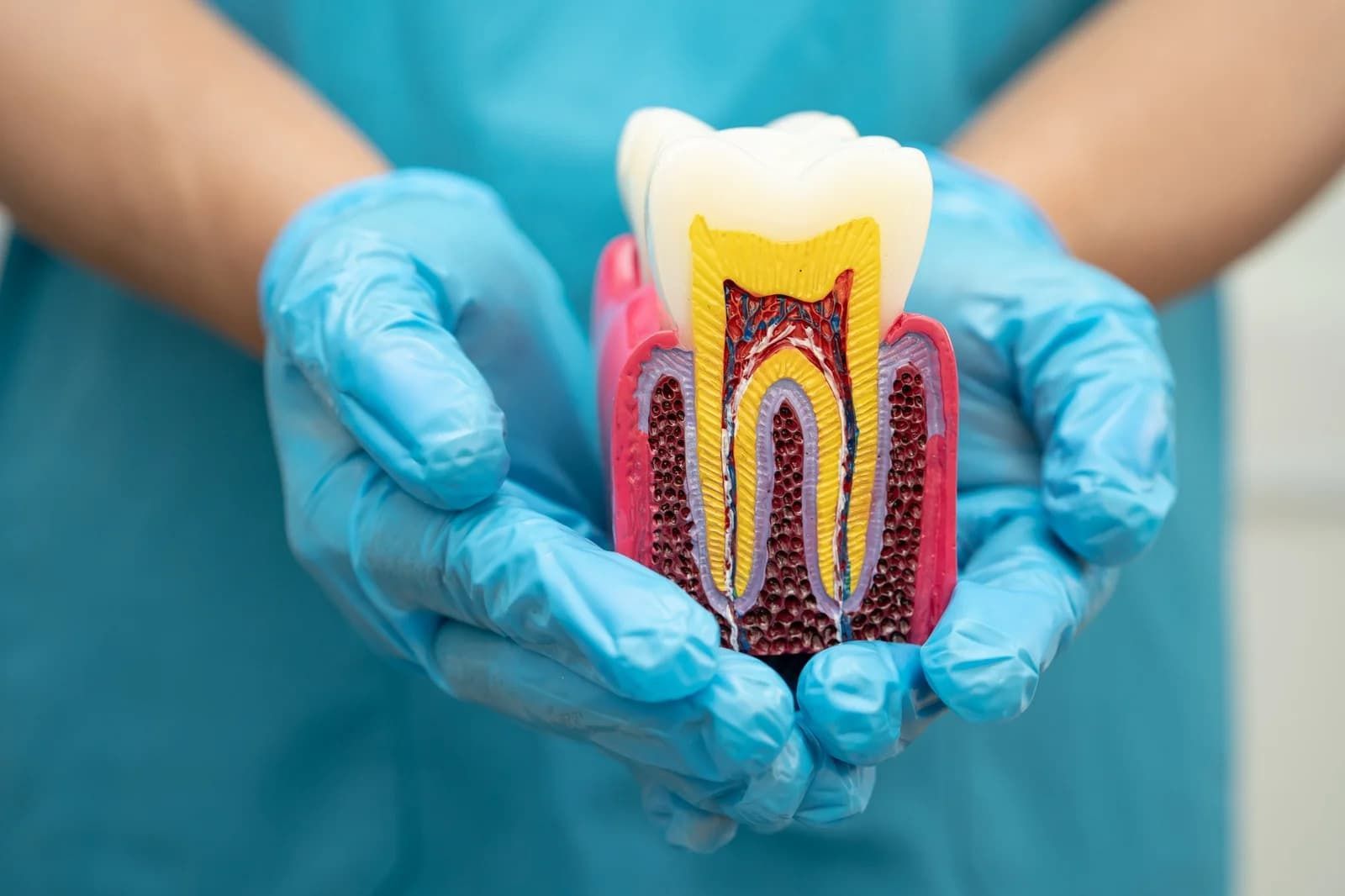
Patients are often surprised to learn that bone loss can happen quietly. You may brush well, floss daily, and still have changes occurring below the gumline. That is why modern periodontal care focuses on measuring bone support, not just visible inflammation.
Why Gums Can Look Fine While Bone Loss Progresses
Gum disease does not always cause pain or heavy bleeding. In its early and even moderate stages, inflammation may be mild or hidden. The bacteria responsible for gum disease can slowly damage the bone around teeth without causing obvious symptoms.
This is one reason gum disease in Glenview is sometimes discovered later than it should be. When bone loss is not detected early, it can affect how stable your teeth feel and how your bite functions over time.
Bone Loss Affects More Than Just Your Gums
Bone loss from untreated gum disease can lead to several long-term problems:
- Tooth stability: Teeth rely on bone for support. As the bone shrinks, teeth may loosen or shift.
- Implant eligibility: Dental implants need healthy bones. Bone loss can limit treatment options later.
- Facial aging: Jawbone loss can change facial shape, leading to sunken cheeks or a collapsed smile.
For patients concerned about gum disease in Glenview, understanding these risks helps explain why early diagnosis is so important.
How Dentists Measure Gum Health in 2026
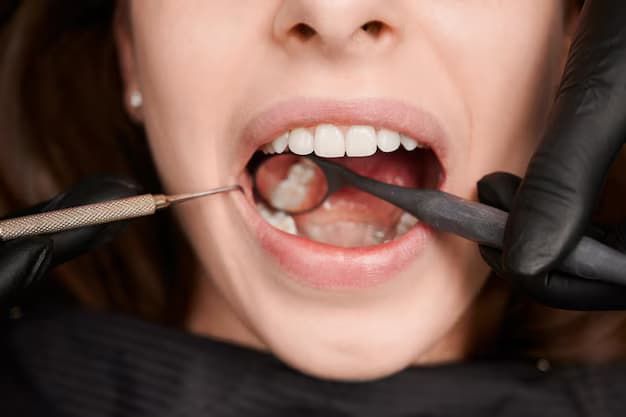
Modern periodontal care uses several tools to evaluate what is happening beneath the gums. These methods give a clearer picture than visual checks alone.
Digital X-Rays
Digital X-rays allow us to see bone levels around each tooth. Small changes over time can signal active gum disease before symptoms appear. These images are a key part of monitoring gum disease in Glenview.
Periodontal Charting
This process measures the depth of spaces between the gums and teeth. Deeper pockets often mean bone support is being lost. Charting also helps track changes and guide treatment decisions.
Bone Density Tracking
Bone density gives insight into bone strength, not just height. Tracking density helps identify areas at risk and supports long-term planning, especially for future dental implants.
What Happens When Bone Loss Is Left Untreated
When gum disease progresses without care, the effects go beyond the gums themselves.
- Tooth drifting: Teeth may move out of position as support weakens.
- Bite collapse: Changes in tooth position can alter how your teeth fit together.
- Future implant complications: Bone loss may require additional procedures before implants are possible.
Many patients with advanced gum disease in Glenview wish they had known earlier that bone loss was occurring. Early detection can prevent these outcomes.
Why Early Treatment Is Easier and Less Invasive
Treating gum disease early often means simpler care. Professional cleanings, improved home routines, and targeted periodontal therapy can slow or stop progression. When bone loss is minimal, treatment is usually more comfortable and less time-consuming.
As bone loss increases, care becomes more complex. This may involve deeper cleanings, surgical procedures, or bone regeneration. Addressing gum disease in Glenview early helps avoid these advanced treatments.
How Preventive Care Supports Long-Term Gum Health
Preventive dentistry plays a major role in protecting bone support. Regular cleanings remove plaque before it hardens into tartar. Exams allow us to monitor bone levels and pocket depths over time.
At Glen Lake Dental Care, we focus on education as much as treatment. We help patients understand how daily habits, professional care, and early intervention work together to manage gum disease in Glenview effectively.
Gum Health and Implant Planning Go Hand in Hand
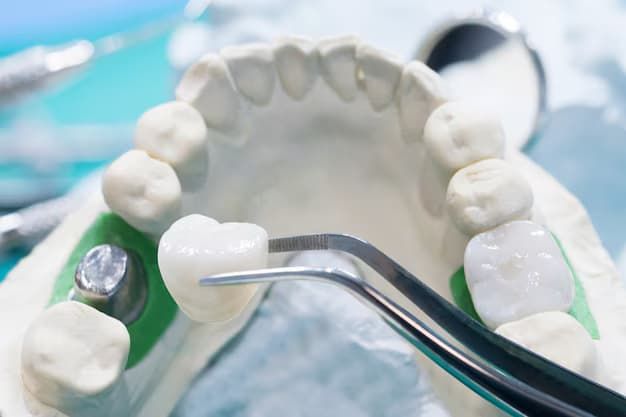
For patients considering implants, gum and bone health are critical. Even mild gum disease can affect implant success if left untreated. That is why implant planning often includes a full periodontal evaluation.
By addressing gum disease in Glenview early, we can preserve bone and improve future treatment options. This approach supports better outcomes and longer-lasting results.
Looking Ahead: A Smarter Way to Care for Gums
The shift toward bone-focused periodontal care reflects a better understanding of how gum disease truly works. Healthy gums are not just pink and firm; they are supported by strong, stable bones.
If you are concerned about gum disease in Glenview, remember that early evaluation makes a real difference. By looking below the surface and acting early, we help protect not only your gums, but your teeth, bite, and smile for years to come.