
Cracked Teeth Without Cavities: Why Dentists Expect a Surge in Structural Tooth Damage Through 2026
Tooth pain is often blamed on cavities, but that explanation no longer fits many of the cases dentists are seeing. More patients are experiencing sharp pain, pressure sensitivity, or discomfort when chewing, even though no decay is present. In 2026, dentists expect this trend to continue as stress, clenching, and bite imbalances place more strain on natural teeth.
These issues often lead to cracks rather than cavities, and many of these cases are treated with dental crowns in Glenview.
At Glenlake Dental Care, we are seeing more patients who take good care of their teeth yet still experience unexplained pain. Understanding why this happens helps patients seek the right treatment sooner.
What Is Cracked Tooth Syndrome?
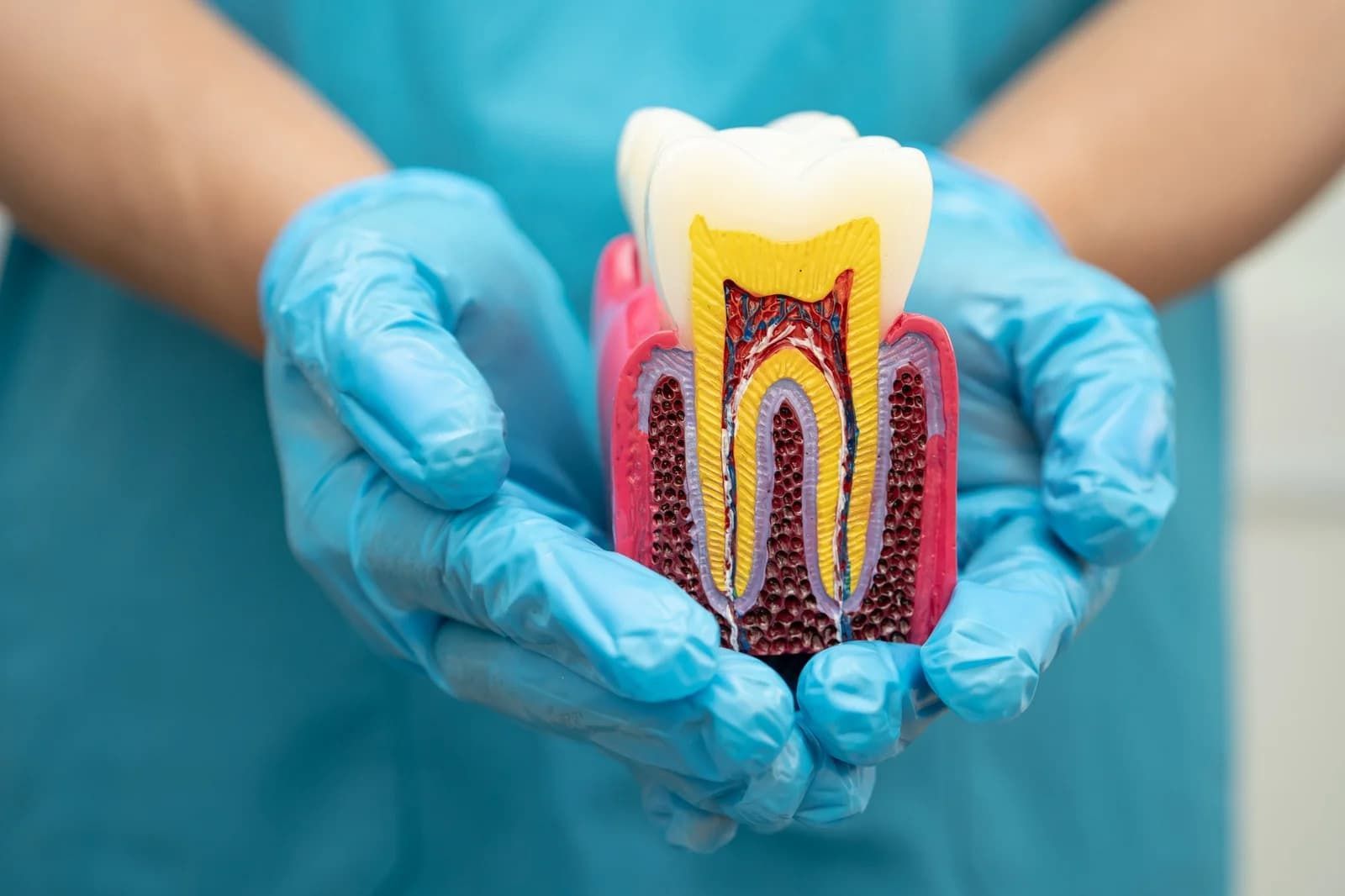
Cracked tooth syndrome refers to small fractures in a tooth that are not always visible on X-rays. These cracks may run through the enamel and into deeper layers of the tooth. Unlike a broken tooth, the crack may not split the tooth completely, making it harder to diagnose.
Patients with cracked tooth syndrome often feel pain only when biting or releasing pressure. Because there is no visible cavity, the problem is often overlooked. In many cases, dental crowns in Glenview are used to protect the tooth and prevent the crack from spreading.
Why Cavities Are No Longer the Main Cause of Tooth Pain
Thanks to better oral hygiene and fluoride use, cavities are less common than they once were. However, teeth are now facing different challenges. Increased stress levels lead to clenching and grinding, especially at night. Over time, this repeated pressure weakens enamel and creates cracks.
When teeth are exposed to uneven bite forces, certain areas absorb more pressure than they are designed to handle. This is why people with no decay may still need dental crowns in Glenview to stabilize damaged teeth.
How Bite Imbalances and Clenching Damage Teeth
A balanced bite spreads chewing forces evenly across all teeth. When the bite is uneven, certain teeth take on extra stress. This stress can slowly weaken the enamel, leading to fractures.
Nighttime clenching, also known as bruxism, adds another layer of pressure. Since clenching often happens unconsciously, patients may not realize it is occurring until damage appears. Over time, clenching combined with bite imbalance can make teeth vulnerable to cracks that require dental crowns in Glenview for protection.
Early Warning Signs Many Patients Miss
Cracked teeth do not always cause constant pain. Instead, symptoms may come and go, which leads many patients to delay care. Common warning signs include:
- Pain when releasing a bite rather than when biting down
- Sensitivity to hot or cold without visible decay
- Discomfort when chewing hard or sticky foods
Ignoring these signs can allow cracks to deepen. Early evaluation often prevents more complex treatment. In many cases, placing dental crowns in Glenview early can save the tooth.
How Dentists Diagnose Cracked Teeth
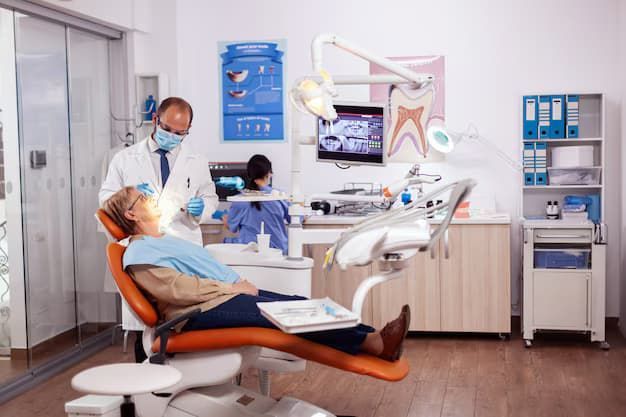
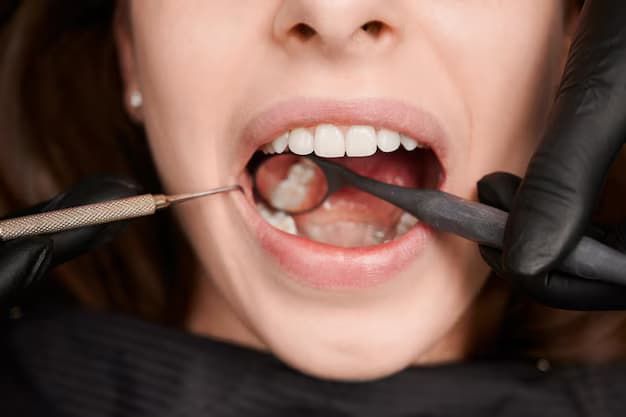
Diagnosing a cracked tooth requires careful examination. Visual checks, bite testing, and reviewing symptoms all play a role. Even if a crack is not clearly visible, the pattern of pain often points to structural damage.
Once a crack is identified, the goal is to stop it from spreading. This is where dental crowns in Glenview often become the most reliable solution.
Treatment Options: Crowns vs. Bonding
Not all cracked teeth require the same treatment. The size and location of the crack help determine the best approach.
- Dental bonding may be used for very small surface cracks.
- Dental crowns in Glenview are recommended when cracks threaten the strength of the tooth.
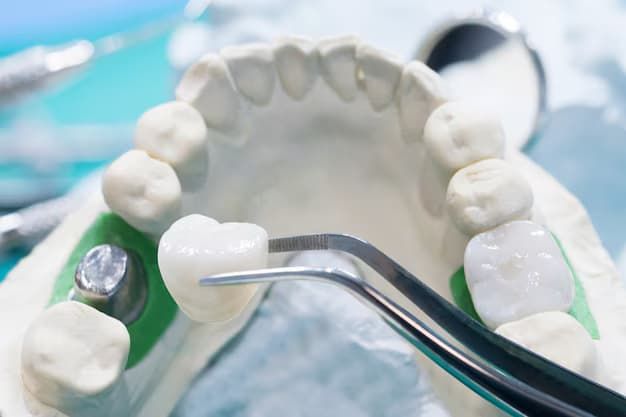
A crown covers the entire tooth, holding it together and protecting it from further damage. This allows patients to chew comfortably again without fear of the tooth splitting.
The Role of Occlusal Adjustments
Sometimes, cracked teeth are caused or worsened by uneven bite forces. Occlusal adjustments reshape certain areas of the tooth to improve bite balance. This reduces stress on vulnerable teeth and supports long-term stability.
When combined with dental crowns in Glenview, occlusal adjustments help protect both the restored tooth and the surrounding teeth.
Why Night Guards Are Often Part of the Solution
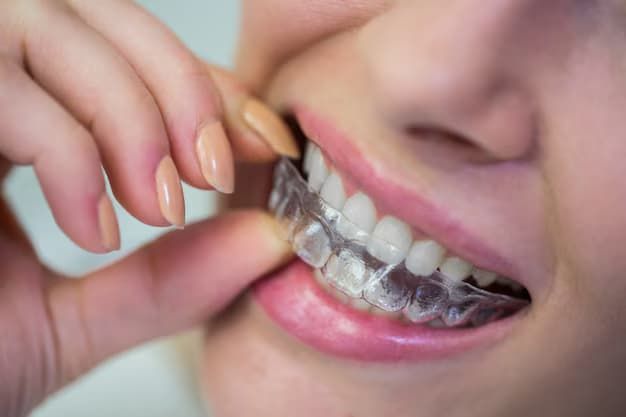
For patients who clench or grind at night, a custom night guard can be essential. Night guards cushion teeth and reduce pressure during sleep. This helps prevent new cracks and protects existing restorations.
Patients who receive dental crowns in Glenview often benefit from wearing a night guard to extend the life of their crowns and reduce future damage.
A Growing Need for Protective Dentistry
Structural tooth damage without decay is becoming more common, not less. Stress, lifestyle habits, and bite issues are placing new demands on teeth. Addressing cracks early helps preserve natural teeth and avoid extractions.
At Glen Lake Dental Care, we focus on identifying the cause of tooth damage, not just treating symptoms. When cracks are present, dental crowns in Glenview offer strength, protection, and peace of mind.
If you experience tooth pain without a clear reason, it may not be a cavity. Understanding cracked tooth syndrome and acting early can help protect your smile well into the future.