
Why Dentists Are Now Screening for Sleep-Related Breathing Patterns in Routine Exams And How It Impacts TMJ, Crowding & Headache
Many people think a dental checkup is only about teeth and gums. But something new is happening across family dentistry in Glenview. More dentists are now paying close attention to how patients breathe, especially during sleep. At Glen Lake Dental Care, we’ve seen how breathing patterns can affect the jaw, teeth, facial growth, and even daily comfort. Once patients understand the connection, they often say, “Why didn’t someone tell me this earlier?”
This blog explains why airway screening is becoming a normal part of dental care, what signs we look for, and how small breathing problems can grow into bigger dental issues.
The Hidden Link Between Breathing and Oral Health
Breathing may not seem like a dental topic, but it plays a major role in how your mouth develops and how your jaw functions. When someone regularly breathes through their mouth instead of their nose, the tongue sits low, the jaw shifts, and the facial muscles work harder than they should. Over time, this can lead to:
- Sore jaw muscles
- TMJ pain
- Headaches
- Teeth grinding or clenching
- Narrow arches and crowded teeth
These problems show up every day in family dentistry in Glenview, but the cause often starts with nighttime breathing habits.
Why More Dentists Are Adding Airway Screening to Routine Exams
Dentists see patients more often than most doctors, which means we are in a good position to catch early signs of airway trouble. At Glen Lake Dental Care, we’ve learned that small breathing issues can point to bigger concerns such as sleep-related breathing disorders, chronic mouth breathing, or even early TMJ strain.
Instead of focusing only on the teeth, we now look at how the entire mouth works with the airway. This helps us understand:
- Why someone grinds their teeth
- Why a child’s teeth are crowding
- Why an adult keeps waking up tired
- Why headaches keep returning
It’s a simple addition to a normal checkup, but it gives us powerful information, one reason family dentistry in Glenview is quickly shifting toward airway-focused care.
Early Signs We Look For During an Airway Exam
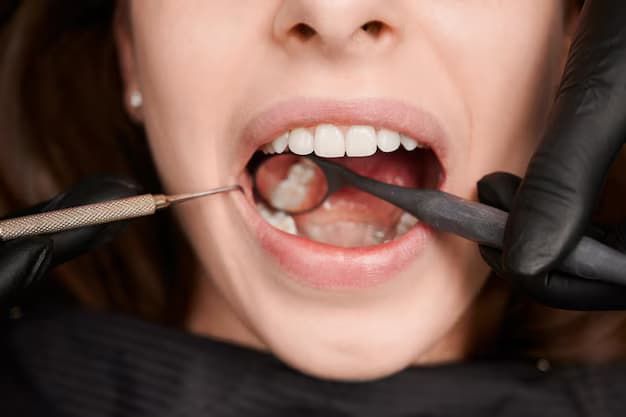
Airway issues leave clues inside the mouth. Some are small and easy to miss unless you know what to look for. During an exam, we check for:
1. Tongue Position
A low or forward tongue may signal mouth breathing or limited space in the upper jaw.
2. Scalloped Tongue
This happens when the tongue pushes against the teeth, often due to unbalanced jaw posture or nighttime airway strain.
3. Narrow Palate
A high, narrow upper arch can make breathing harder and cause dental crowding.
4. Mouth Breathing Signs
Dry lips, dry mouth, or inflamed gums often point to air passing through the mouth at night.
These observations are now standard in family dentistry in Glenview, and they help us build a clearer picture of each patient’s overall health.
How Breathing Affects TMJ, Crowding & Headaches
Small changes in breathing can cause big changes in the mouth and jaw.
TMJ Problems
When breathing is difficult, the jaw and head shift forward to open the airway. This places pressure on the jaw joint and causes muscle tension. Many patients come in for TMJ pain not realizing the root problem is their airway.
Crowded Teeth
If the tongue doesn’t rest in the right position, the upper jaw may not grow wide enough. This leads to crowding in kids and even adults.
Headaches & Facial Tension
Poor nighttime breathing often triggers clenching and grinding. This overworks the muscles, causing morning headaches, facial tightness, and jaw soreness.
We explain these links every day as part of family dentistry in Glenview, and patients are often surprised how much of their discomfort traces back to breathing patterns.
What Happens During an Airway Check at Glen Lake Dental Care
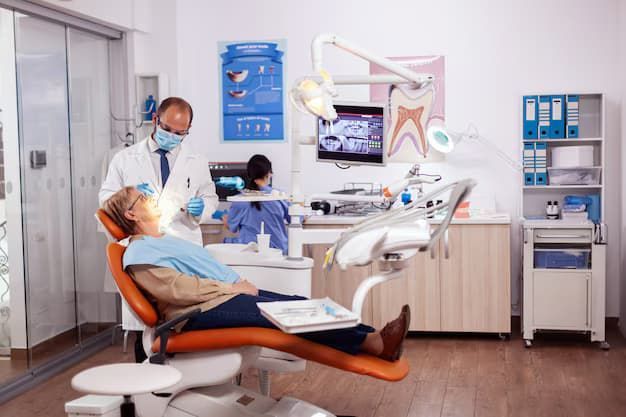
Our goal is to make the process simple and comfortable. During a routine visit, we:
- Observe how you breathe naturally
- Check the tongue size, shape, and resting posture
- Look at palate width and jaw alignment
- Evaluate wear patterns on the teeth
- Ask questions about sleep quality, snoring, or morning fatigue
Nothing is invasive or painful. It’s simply a smarter way to understand your oral health, one that many families now appreciate as part of family dentistry in Glenview.
Treatment Options When Breathing Problems Affect the Mouth
Once we understand what’s happening, we guide patients toward the right solutions. Treatment may include:
Bite Adjustments & Occlusal Therapy
These help reposition the jaw and reduce strain on the TMJ.
Nightguards for Clenching
A custom guard protects the teeth and eases muscle tension.
Orthodontic Support
In some cases, widening the arch or adjusting tooth position can help open the airway.
Botox for Bruxism or TMJ (if suitable)
This relaxes overworked muscles and relieves tension-related headaches.
Referrals When Needed
We may suggest working with sleep specialists or ENT doctors for more complex airway concerns.
These steps create a balanced, long-term plan, one reason many families trust us for family dentistry in Glenview.
Why Ignoring Airway Issues Can Lead to Bigger Problems
Breathing problems rarely go away on their own. When left untreated, they can lead to:
- Chronic TMJ pain
- Severe tooth wear
- Long-lasting headaches
- Poor sleep quality
- Crowding in children and adults
Catching these issues early protects both oral and overall health, which is the heart of what we do at Glen Lake Dental Care.