
Why Bleeding Gums Happen Even With “Perfect Brushing”: The New Hidden Inflammation Problem Dentists Are Seeing
Many patients feel confused or frustrated when their gums bleed, even though they brush and floss every day. It can feel like you’re doing everything right but still not seeing healthy gums. At Glen Lake Dental Care, we hear this concern often, and the truth is simple: brushing alone isn’t always enough to stop gum disease in Glenview. A new pattern has emerged over the past few years, and it has nothing to do with poor hygiene. Instead, it’s linked to changes in diet, stress, hormones, and shifts in the oral microbiome that affect the body in quiet ways.
Silent gum inflammation is becoming more common, and many patients don’t notice the problem until the gums start bleeding. Our goal is to help you understand why this happens, what signs to look for, and how we treat inflammation at its source, not just on the surface.
Why Gum Bleeding Is Increasing Even Among “Good Brushers”
Most people think bleeding gums always mean you’re brushing too hard or not cleaning well enough. But for many patients, that’s not the case. Even with careful daily brushing, the gums can still become inflamed from factors you can’t fix with a toothbrush.
We often explain to our patients that gum disease in Glenview is no longer just a “plaque problem.” It’s an inflammation problem. That means your gums react to deeper changes happening in your mouth and body. Bleeding is simply the first visible sign.
This is why someone with great brushing habits can still struggle with gum health while someone else with basic brushing has no issues at all. It depends on what’s happening beneath the surface.
The Rise of Inflammatory Gum Disease: Diet, Stress, Hormones & Microbiome Shifts
More dentists are noticing a pattern: people who eat well, clean well, and take care of themselves still develop gum inflammation. The main reason is the rise of silent inflammatory triggers such as:
Ultra-processed foods
These affect the balance of bacteria in the mouth and can make gums more reactive.
Stress and poor sleep
Stress hormones increase inflammation throughout the body, including the gums.
Hormonal changes
Teens, pregnant women, and adults going through hormonal shifts can experience gum swelling even with excellent brushing.
Oral microbiome imbalance
When harmful bacteria outnumber healthy ones, the gums stay irritated.
These changes make gum disease in Glenview harder to detect early because the gums may look almost normal until bleeding begins.
Hidden Gum Pockets: The Silent Part of Gum Disease
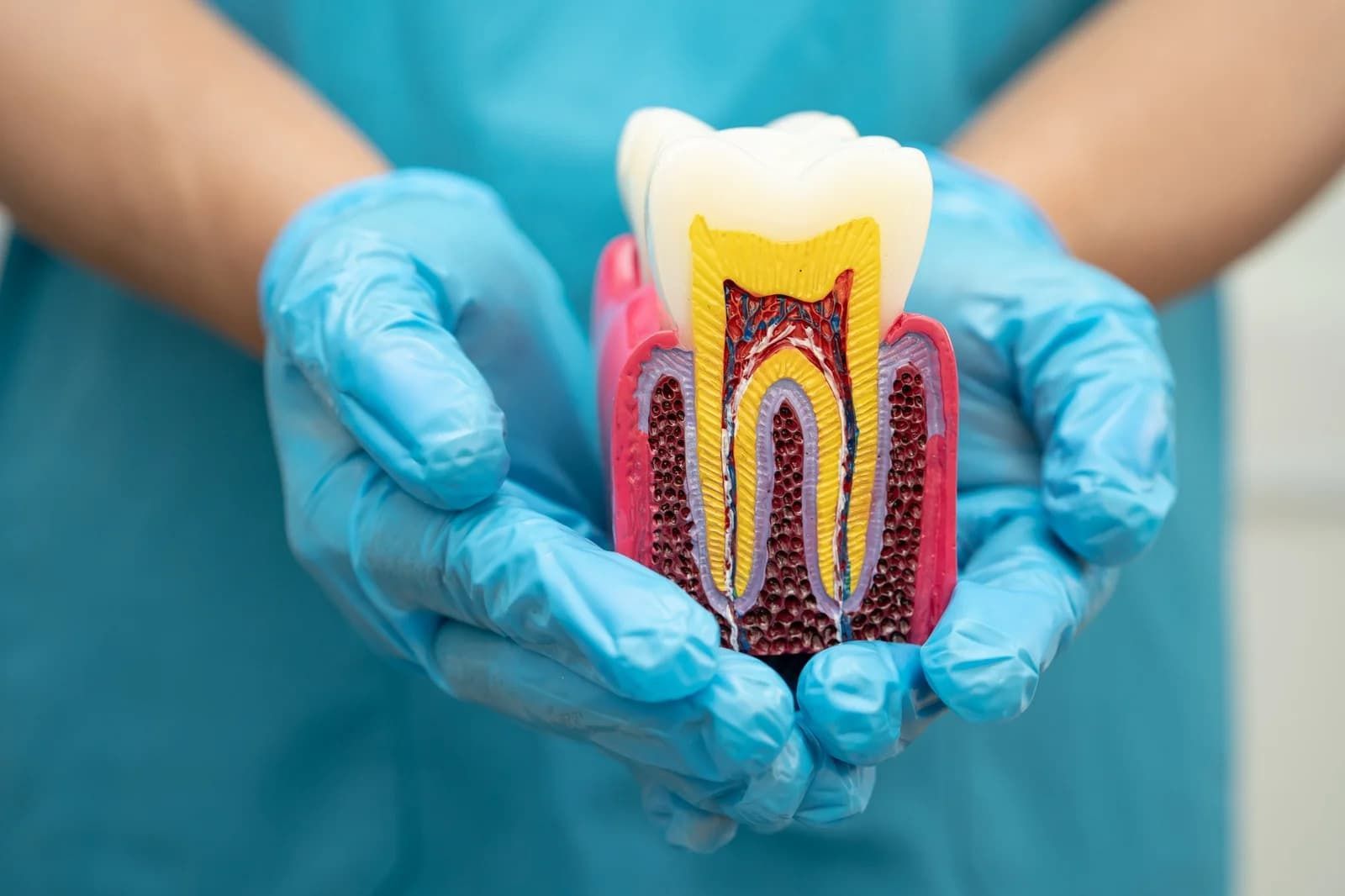
One of the biggest challenges with gum inflammation is that it rarely hurts at first. Patients often feel nothing at all, even when the gums are already infected. This happens because gum disease develops in small pockets under the gumline where toothbrush bristles can’t reach.
When bacteria build up in these hidden spaces, the gums swell and bleed. This is why gum disease is called “silent”, it grows quietly until it becomes more serious. Regular cleanings help, but deeper pockets need special attention. This is one of the most common reasons patients need periodontal care or advanced cleaning for gum disease in Glenview.
How We Diagnose Silent Inflammation at Glen Lake Dental Care
Because early gum disease isn’t always obvious, dentists use several tools to uncover inflammation:
X-rays
These show changes in the bone that supports the teeth.
Pocket charting
We measure the depth around each tooth to see how far bacteria may have spread.
Bacteria level testing or saliva screening
These tests help us understand whether the gum issues are caused by specific bacteria, inflammation, or overall imbalance.
With the rise of silent inflammation, these diagnostic tools have become essential for detecting gum disease in Glenview before it becomes severe. Patients are often surprised at how much we can learn from these simple evaluations.
Treatments That Target the Cause, Not Just the Surface
Healthy gums don’t improve from brushing alone when the root is inflamed. That’s why our approach focuses on healing the gums from the inside out.
Deep Cleaning (Scaling & Root Planing)
This removes bacteria from below the gumline where brushing cannot reach.
Laser Gum Treatment
Laser therapy gently targets infected areas to reduce harmful bacteria and help the tissue heal faster.
Periodontal Therapy
For moderate cases, we create a step-by-step treatment plan to restore gum health through careful cleaning and ongoing monitoring.
Salivary Diagnostics
These tests help us understand which bacteria are present and what type of treatment will be most effective.
When inflammation is addressed early, we can stop gum disease in Glenview from spreading and protect your teeth long-term.
Why Air-Polishing + Microbiome Care Is Becoming Standard
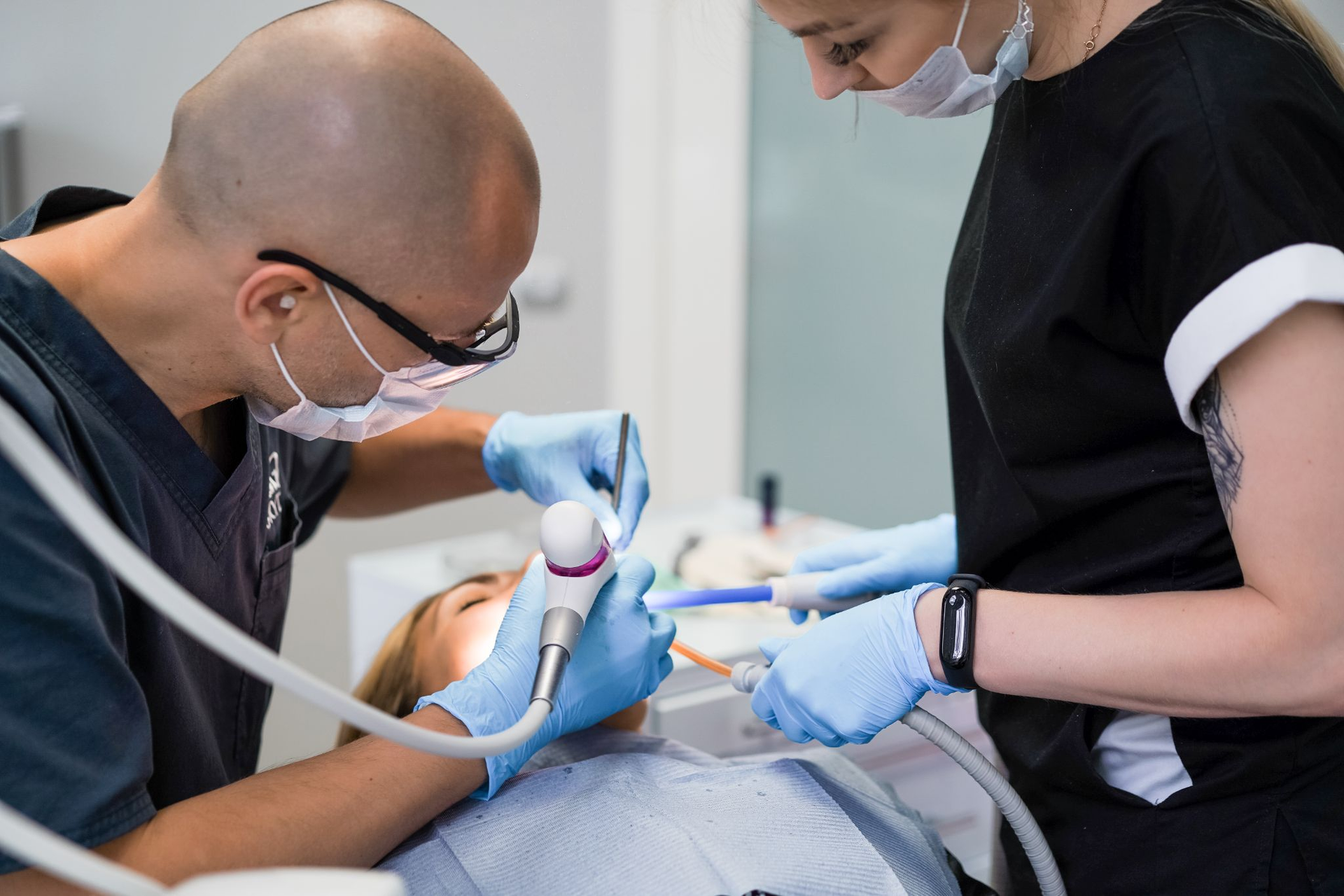
Traditional polishing can remove plaque but may not shift unhealthy bacteria. Air-polishing uses a gentle jet of water and fine powder to clean both the teeth and the gumline. This technique is comfortable and highly effective at reducing inflammation.
We also talk to patients about small daily habits that support a healthy oral microbiome, such as balanced diet choices, better hydration, and gentle brushing routines. These steps play an important role in reducing long-term inflammation and controlling gum disease in Glenview before it becomes serious.
What Glen Lake Dental Care’s Periodontal Program Looks Like
Our periodontal program focuses on early detection and targeted care. When a patient shows signs of bleeding or swelling, we:
- Complete a detailed gum evaluation
- Measure pockets around each tooth
- Use imaging to check bone health
- Recommend a personalized treatment plan
- Follow up with maintenance visits to keep gums stable
The goal is simple: protect your gums before they reach an advanced stage. This approach helps stop gum disease in Glenview from progressing while giving patients the tools they need to maintain their results.