
The Hidden Microcrack Issue Behind Tooth Pain And Why Stress Is Causing More Fractures Than Ever
Patients often come in with tooth pain that seems minor at first. They may describe it as a quick “zing,” pressure when chewing, or pain that comes and goes. What many don’t realize is that these small symptoms can point to something dentists are seeing far more often: microcracks. Over the past couple of years, especially through 2024 and 2025, dentists across the country have noticed a sharp rise in tiny, hidden fractures caused by stress clenching, long hours at computers, and poor sleep habits. At GlenLake Dental Care, we’ve seen the same pattern, which is why we talk about this issue openly with our patients.
Microcracks may be tiny, but they can grow quickly, and when they do, the solution often involves dental crowns in Glenview to protect and save the tooth. Understanding how these cracks form and how we detect them can help you protect your smile before a small problem becomes a major one.
Why Dentists Are Seeing More Microcracks in 2024–2025
Life pressure, grinding, and constant jaw tension have created a perfect storm for tooth fractures. Many people grind their teeth without knowing it. Others clench their jaws during the day when working, driving, or thinking. Over time, this force weakens the enamel and creates tiny lines called microcracks.
These fractures are not always visible to the eye, and they often don’t hurt right away. But with enough pressure, they can spread deeper into the tooth. When that happens, the tooth becomes unstable and may break suddenly. That’s when a patient ends up needing dental crowns in Glenview to restore strength and prevent further damage.
What Stress, Posture & Poor Sleep Have to Do With Tooth Fractures
Stress affects the body in many ways, and the mouth is one of the first places to show the signs. When we’re tired or tense, our muscles stay tight, and the jaw works harder than it should. Poor posture, especially from long workdays in front of a screen, can push the head forward and force the jaw into a strained position. This makes the teeth press or grind against each other more often.
Poor sleep or interrupted sleep also increases clenching. Many patients are surprised to learn they grind most during their deepest sleep cycles. This repeated pressure adds up and leads to the microcracks we see every day, cracks that eventually require the support of dental crowns in Glenview to protect the tooth from splitting completely.
Early Warning Signs Patients Miss
Microcracks are tricky because they often don’t show clear symptoms until they grow deeper. But there are small signals you might notice:
- A sharp pain when biting down on something hard
- Sensitivity to cold or sweet foods
- Pain that comes and goes
- A rough or sharp edge on the tooth
- A feeling that one tooth “just isn’t right”
These may seem minor, but they’re important clues. When we examine patients at our office, we often find hidden fractures even when the tooth appears normal. Early treatment can prevent the need for bigger repairs later, including dental crowns in Glenview if the crack is larger than expected.
How We Detect Hidden Cracks
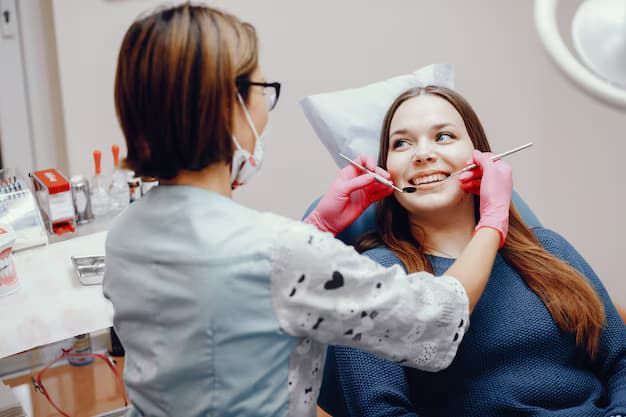
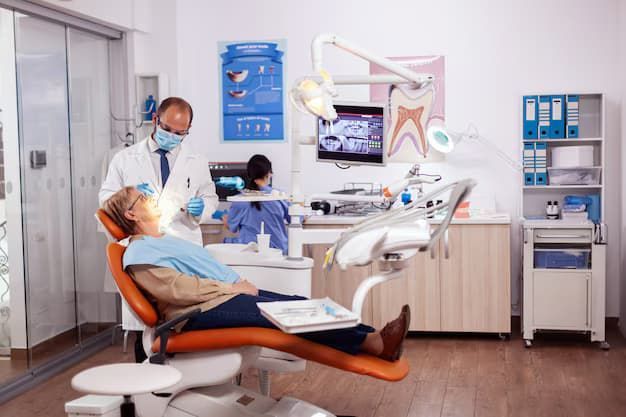
Microcracks don’t always show up on standard X-rays. That’s why dentists use special tools and careful evaluation to find them. At Glen Lake Dental Care, we rely on:
Magnification
Dental loupes or microscopes help us see fine lines that aren’t noticeable to the naked eye.
Modern Imaging
Advanced imaging can show changes inside the tooth that point to internal fractures.
Bite Testing
We gently test how the tooth reacts to pressure. Pain in a specific direction often reveals a crack.
Light Transillumination
A bright light helps us detect shadow lines that follow a fracture pattern.
These steps help us diagnose the problem early, allowing us to prevent bigger damage and reduce the chances a patient will need dental crowns in Glenview later on.
Treatment Options for Microcracks
The best treatment depends on the size and location of the crack. We always aim to protect the natural tooth when possible.
Dental Bonding
For very small cracks, bonding strengthens the enamel and seals the surface.
Onlays
These provide more support for weakened teeth without covering the entire tooth.
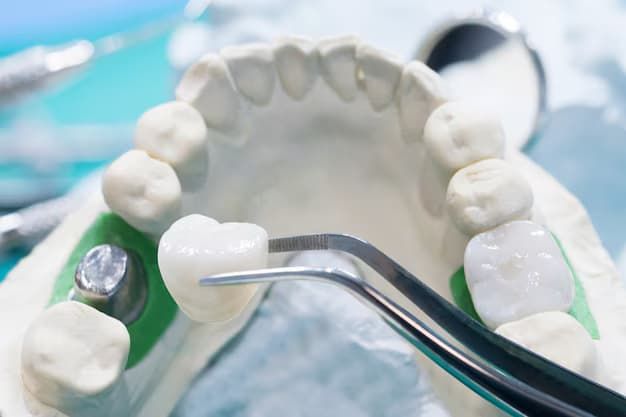
Crowns
When a crack threatens the tooth’s structure, a crown is the most reliable solution. A crown covers the tooth like a protective shell, keeping the fracture from spreading. This is one of the most common reasons patients come to us for dental crowns in Glenview.
Occlusal Correction
If the bite is uneven, adjusting it can prevent future cracks.
No matter the treatment, our focus is to restore the tooth before the damage becomes irreversible.
How to Prevent Future Cracks
Once someone experiences one microcrack, they tend to have a higher risk of more. That’s why prevention is key.
Nightguards
These protect the teeth from nighttime grinding and reduce pressure on the jaw.
Stress-Clenching Therapy
We guide patients on techniques that help reduce muscle tension.
Botox for Bruxism
In some cases, Botox relaxes the overactive jaw muscles that lead to cracks.
Better Posture & Sleep Support
Small daily changes can make a big difference in jaw comfort and tooth health.
Preventing cracks is much easier, and far less expensive, than treating a broken tooth. We see many patients who could avoid dental crowns in Glenview simply by managing their clenching habits early.
Why Waiting Is Dangerous
Microcracks don’t heal. They only get deeper with time. Once a crack reaches the inner part of the tooth, there’s no way to reverse the damage. The tooth may break suddenly while eating something as simple as a sandwich or soft bread. That’s why we encourage patients not to ignore small symptoms. Acting early protects the tooth and avoids more serious treatment.
Our team at Glen Lake Dental Care is here to help you understand your risks and choose the right solutions. If you’ve felt sharp pain, pressure while chewing, or unexplained sensitivity, it may be a sign of a hidden fracture. Early care, and when needed, dental crowns in Glenview, can save your tooth from breaking altogether.