
TMJ Relief With Botox: How Dentists Use Injectables to Stop Jaw Pain and Clenching
Waking up with jaw pain, aching teeth, or morning headaches can make everyday life feel exhausting. Many people don’t realize that these problems often come from one source: the muscles in the jaw working too hard. Grinding, clenching, and jaw tension can affect how you eat, speak, and even how you sleep. We meet patients who think they need whitening, veneers, or a filling, when the real problem is muscle pressure from the jaw. That is why more patients are asking a Glenview dentist about Botox, not for wrinkles, but for pain relief.
Botox and other injectable therapies are now a trusted solution for TMJ discomfort, migraines from clenching, and chronic grinding. While most people think of Botox as a cosmetic treatment, it has important medical benefits when used on the jaw. At Glenlake Dental Care, we focus on how your bite, muscles, and joints work together, which makes injectables an option many patients never knew they needed.
How Injectables Help TMJ Disorders, Headaches, Clenching, and Bruxism
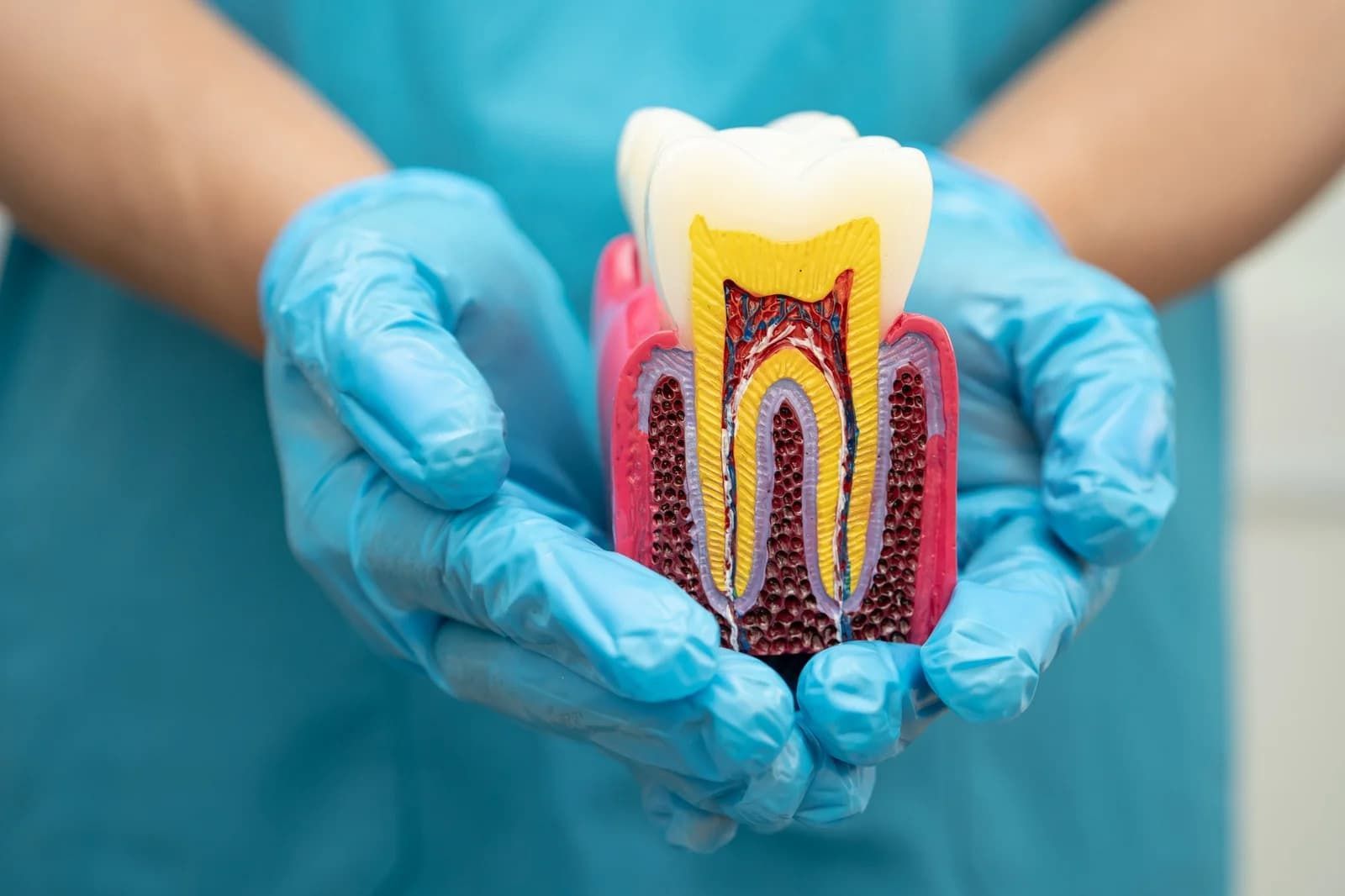
The TMJ (temporomandibular joint) is the hinge that lets your jaw move. When the muscles around it are tense or overworked, it can lead to:
- Constant jaw pain
- Sensitive or worn-down teeth
- Clicking or popping sounds
- Earaches or headaches
- Difficulty chewing
- Facial tension
Botox works by relaxing the overactive muscles responsible for these problems. The injection is placed in areas like the masseter or temporalis muscles, which do most of the chewing and clenching. By softening their force, not stopping their movement completely, the pressure on the teeth and jaw decreases.
Patients often notice benefits such as:
- Reduced morning headaches
- Less pain in the jaw joints
- Less damage to teeth from grinding
- More relaxed facial muscles
- Better sleep quality
This is why many people now visit a Glenview dentist instead of a dermatologist for Botox therapy. The goal here isn’t cosmetic improvement, it’s comfort and function.
Why a Dentist Is the Best Person for TMJ Botox
Dentists study the jaw more deeply than any other medical professional. We understand how teeth, muscles, and joints work together every time you bite, chew, or speak. Botox treatment for TMJ isn’t just about hitting the right muscle. It requires knowledge about jaw force, bite patterns, and how much relaxation each muscle needs.
When injected by someone who does not understand dental function, the results can affect chewing or make the bite feel uneven. A Glenview dentist who studies TMJ issues knows exactly how to adjust dosage so the muscles get relief without going numb or weak.
Injectables for TMJ are not about changing how you look, they are about helping your jaw work the way it should.
Who Is a Good Candidate for TMJ Botox?
Many patients are surprised to discover they qualify for this therapy. You may be a great candidate if you:
- Grind your teeth at night
- Clench your jaw during the day
- Experience tension headaches
- Have tooth damage from grinding
- Have pain when chewing
- Notice swelling or soreness near the jaw muscles
Some patients also find relief if they have migraines linked to muscle tightness. A Glenview dentist can evaluate whether your headaches are related to clenching or grinding.
Who Should Not Get TMJ Botox?
Botox may not be ideal for:
- Pregnant or breastfeeding women
- Patients with certain neuromuscular conditions
- People allergic to ingredients in the injection
That’s why a full evaluation always comes first. We look at your bite, jaw movement, and muscle balance before recommending treatment.
How Botox Works With Night Guards and Bite Therapy
Botox is not the only treatment for TMJ issues. Some patients think it replaces night guards or bite therapy, but they often work best together.
- Night guards protect the teeth from grinding wear.
- Bite therapy corrects how the teeth meet.
- Botox reduces the muscle force causing the grinding.
Using all of them gives both protection and relief. Many patients notice that once the muscle force decreases with Botox, they stop breaking night guards or grinding through them. A Glenview dentist can recommend the right combination based on your specific symptoms.
How Long Does Relief Last?
Most patients feel relief within a few days of treatment. The effects usually last between 3 to 4 months, depending on the strength of the muscles. With repeated treatment, some patients even notice they grind less overall because their muscles become trained not to overwork.
The appointments are quick, and most people return to normal activities within minutes. The goal isn’t to freeze the jaw, it's to reduce the pressure causing pain.
Schedule Your Consultation for Jaw Pain or Grinding
You don’t have to live with jaw tension, sensitive teeth, or morning headaches. Relief is possible with the right diagnosis and treatment plan. If clenching or grinding is damaging your smile, a Glenview dentist who understands your bite can guide you toward the right injectable therapy.
At Glenlake Dental Care, we focus on comfort, function, and long-term oral health. You deserve a jaw that feels relaxed and teeth that stay protected.
Schedule a consultation and ask how injectables can support your TMJ or bruxism treatment. Let’s help your jaw rest, heal, and move comfortably again.