
What Should You Expect Before, During, and After a Tooth Extraction Procedure?
You can expect a dental examination, local anesthesia to numb the area, careful removal of the tooth, and post-treatment instructions to support recovery.
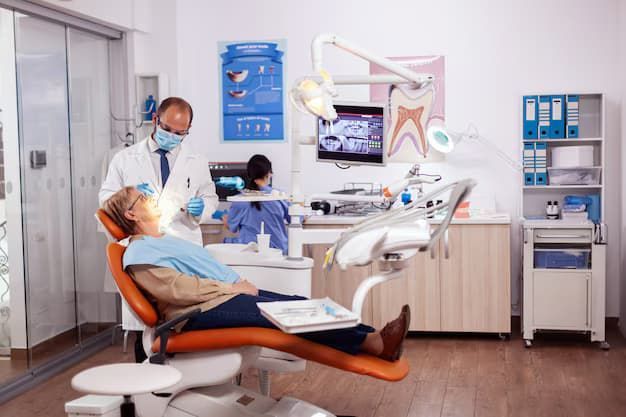
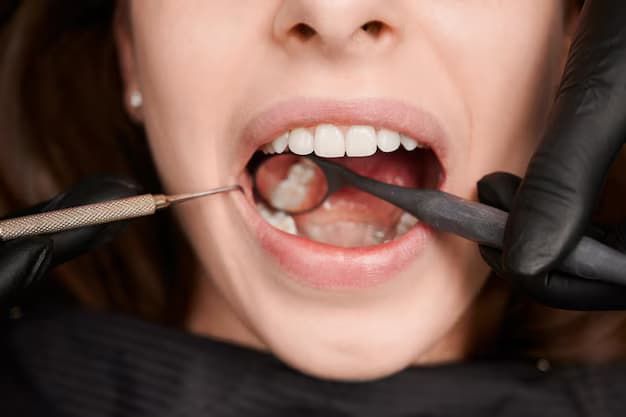
Many patients ask, "What should I expect during a tooth extraction?" The process begins with an evaluation that may include X-rays to assess the tooth and surrounding structures. Once the treatment plan is confirmed, the area is numbed with local anesthesia to help ensure comfort throughout the procedure.
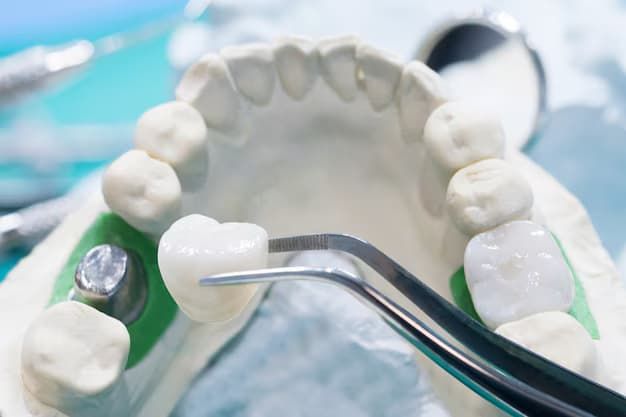
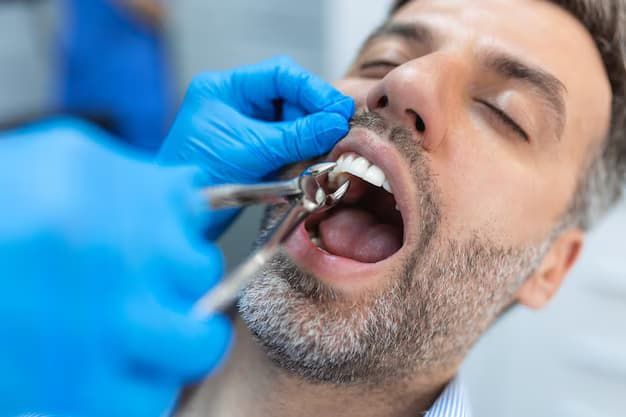
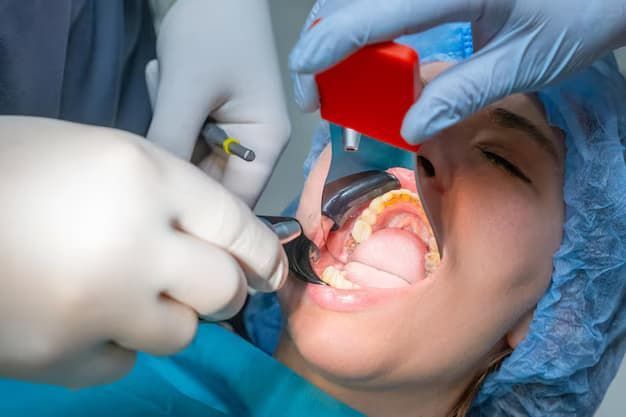
The dentist then gently loosens the tooth and removes it using specialized instruments. In some cases, a surgical extraction may be necessary if the tooth is impacted or difficult to access. After the tooth is removed, the site is cleaned and protected to encourage proper healing.
Why might a tooth need to be extracted?
A tooth may need to be extracted because of severe decay, advanced gum disease, infection, trauma, overcrowding, or impacted wisdom teeth.
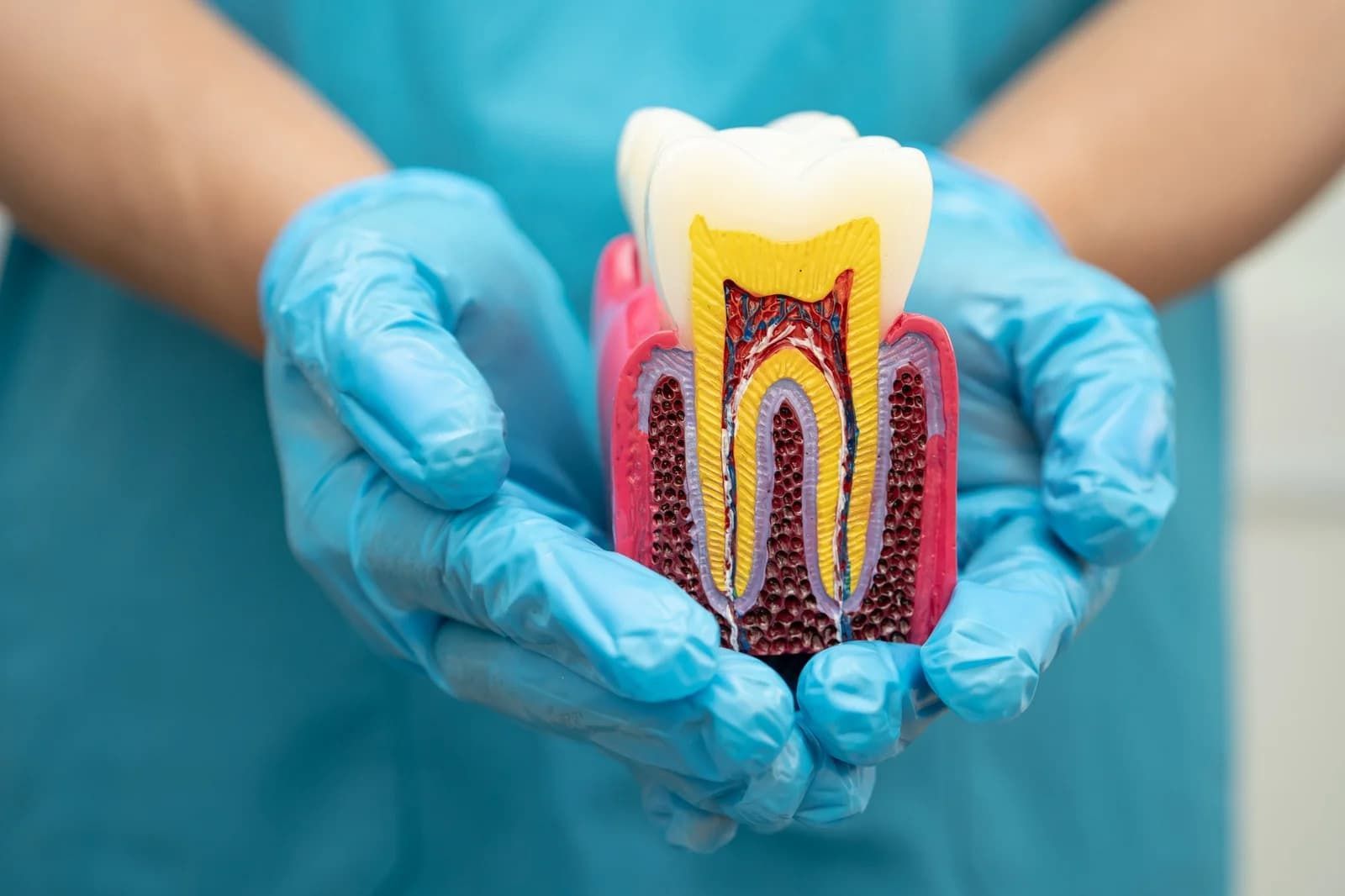
While preserving natural teeth is always a priority, extraction can sometimes be the healthiest option. Teeth that are extensively damaged may not respond well to treatments such as fillings, crowns, or root canals. Removing the affected tooth can prevent further complications and reduce discomfort.
At Glenlake Dental Care, treatment recommendations are based on a thorough evaluation of each patient's individual needs and long-term oral health goals.
Does a tooth extraction hurt?
Most patients experience little to no pain during the procedure because local anesthesia is used to numb the treatment area.
One of the most common concerns is discomfort during treatment. If you are wondering, "What should I expect during a tooth extraction?" you can generally expect pressure rather than pain. The numbing medication blocks pain signals while allowing you to remain awake and aware during the procedure.
Some mild soreness or tenderness is normal after the anesthesia wears off, but this can usually be managed with recommended pain relief methods and proper aftercare.
What happens immediately after the tooth is removed?
A blood clot forms in the extraction site, and patients receive instructions to protect the area and promote healing.
After the extraction, gauze is placed over the site to help control bleeding and encourage clot formation. This clot plays a critical role in protecting the underlying bone and nerves during healing.
When patients ask, "What should I expect during a tooth extraction?", the recovery instructions are just as important as the procedure itself. Following those instructions carefully can help reduce complications and support faster healing.
What foods can you eat after a tooth extraction?
Soft foods such as yogurt, applesauce, mashed potatoes, smoothies, and soup are usually recommended during the initial healing period.
Choosing the right foods helps prevent irritation and protects the extraction site. Hard, crunchy, spicy, or sticky foods should generally be avoided until healing progresses.
Patients often ask, "What should I expect during a tooth extraction?" Part of the answer includes temporary dietary adjustments that allow the area to heal properly without unnecessary stress.
How can you prevent complications after a tooth extraction?
Following aftercare instructions, keeping the area clean, avoiding smoking, and protecting the blood clot are key steps in preventing complications.
One potential complication is dry socket, which occurs when the protective blood clot becomes dislodged before healing is complete. Avoiding straws, smoking, and vigorous rinsing can help reduce this risk.
At Glenlake Dental Care, patients receive detailed aftercare guidance to support a healthy recovery and minimize complications following treatment.
When should you contact a dentist after an extraction?
You should contact a dentist if you experience severe pain, excessive bleeding, signs of infection, or symptoms that worsen instead of improving.
While mild discomfort and swelling are normal, persistent or increasing symptoms may indicate a problem that requires professional attention. Fever, significant swelling, or unusual discharge should not be ignored.
If you're still wondering, "What should I expect during a tooth extraction?", it is reassuring to know that most extractions heal without complications when proper care instructions are followed.
Frequently Asked Questions
What should I expect during a tooth extraction if it is my first time?
Most first-time patients can expect a consultation, local anesthesia, tooth removal, and recovery instructions. The procedure is generally quicker and more comfortable than many people anticipate.
How long does a tooth extraction procedure usually take?
Simple extractions often take between 20 and 40 minutes, while more complex surgical extractions may require additional time depending on the situation.
Can I go back to work after a tooth extraction?
Many patients return to normal activities within a day or two. However, recovery recommendations may vary based on the complexity of the procedure and individual healing response.
When can I brush my teeth after a tooth extraction?
You can usually brush your teeth the same day, but avoid the extraction site for the first 24 hours. If you're wondering, "What should I expect during a tooth extraction?", your dentist will explain how to keep the area clean while protecting the blood clot during healing.
How do I know if my tooth extraction site is healing properly?
Healthy healing typically includes gradual improvement in discomfort, reduced swelling, and formation of protective tissue over the extraction site. If symptoms worsen, contact your dental provider for evaluation.
Conclusion
A tooth extraction may sound intimidating, but understanding the process can make the experience far less stressful. From preparation and treatment to recovery and aftercare, knowing "What should I expect during a tooth extraction?" helps patients feel informed and confident every step of the way.
With professional care, proper planning, and good post-treatment habits, most people recover smoothly and return to their normal routines quickly.