
How Quickly Should You Seek Treatment for a Dental Emergency to Avoid Long-Term Damage?
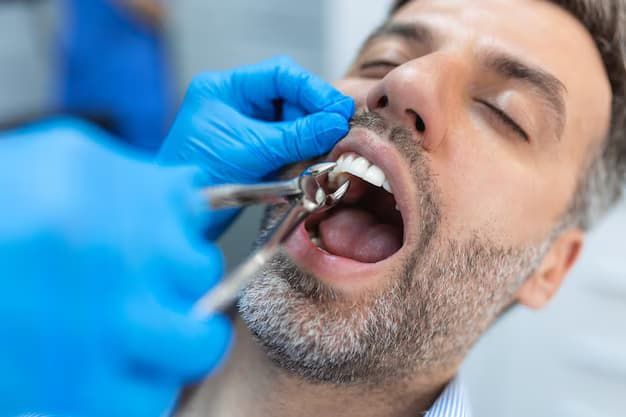
You should seek treatment for a dental emergency as soon as possible, ideally within the first few hours. Prompt care can relieve pain, prevent infection, protect damaged teeth, and reduce the risk of complications that may require more extensive and costly treatment later. Acting quickly often leads to better long-term outcomes.
Many patients search "How fast can I get urgent dental care in Deerfield?" when unexpected dental problems occur. Fast access to professional treatment can make a significant difference in preserving your oral health, easing discomfort, and improving the chances of saving a damaged or knocked-out tooth.
What Should You Do Before Seeing an Emergency Dentist?
Taking the right steps before your appointment can help reduce discomfort and protect the affected tooth or area.
If you experience a dental emergency, consider the following actions:
- Rinse your mouth gently with warm water.
- Apply a cold compress to reduce swelling.
- Save any broken tooth fragments if possible.
- Avoid chewing on the affected side.
- Take over-the-counter pain relief as directed.
When people search "how fast can I get urgent dental care in Deerfield", they are often looking for immediate solutions while waiting for professional treatment. These simple measures can provide temporary relief until care is available.
Can a Toothache Be Considered a Dental Emergency?
Yes, a severe or persistent toothache can indicate an underlying problem that requires urgent dental evaluation.
While some minor tooth sensitivity may not be an emergency, pain that interferes with daily activities often signals a condition that needs prompt attention. Many patients searching “How fast can I get urgent dental care in Deerfield?” are experiencing tooth pain that requires professional assessment to determine the cause and prevent further complications.
- Tooth decay
- Dental infections
- Cracked teeth
- Gum disease
- Exposed tooth roots
Persistent discomfort is often a sign that the problem will not resolve on its own. Early treatment can prevent further damage and help preserve the tooth.
Why Is Immediate Treatment Important for Dental Infections?
Dental infections can spread quickly and may lead to serious oral and overall health complications if left untreated.
An infection often presents with symptoms such as:
- Swelling
- Throbbing pain
- Fever
- Bad taste in the mouth
- Gum tenderness
Patients searching "how fast can I get urgent dental care in Deerfield" are frequently concerned about infections because they can worsen rapidly. Early intervention helps control the infection, relieve pain, and reduce the risk of complications.
What Happens During an Urgent Dental Appointment?
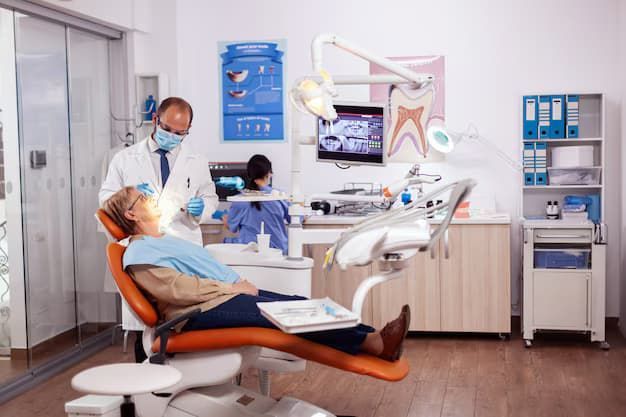
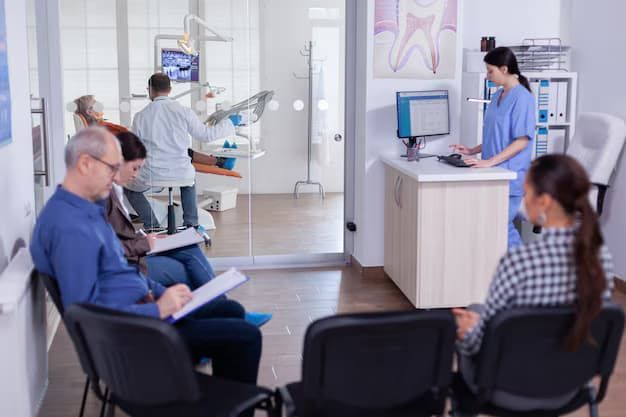
An urgent dental visit typically focuses on diagnosing the problem, relieving discomfort, and preventing further damage.
The appointment may include:
- Reviewing symptoms and dental history
- Clinical examination
- Digital X-rays if necessary
- Pain management
- Immediate treatment or temporary solutions
Many patients searching for “How fast can I get urgent dental care in Deerfield? “ are looking for prompt relief and a clear treatment plan. At Glenlake Dental Care, urgent evaluations are designed to identify the source of the problem quickly so appropriate treatment recommendations can be made.
How Can You Prevent Future Dental Emergencies?
Good oral hygiene, routine dental visits, and protective habits significantly reduce the risk of unexpected dental problems.
Preventive measures include:
- Brushing twice daily
- Flossing every day
- Attending regular dental checkups
- Wearing a mouthguard during sports
- Avoiding chewing hard objects
- Addressing dental issues early
Many emergencies begin as minor concerns that could have been treated during routine care. Patients wondering “How fast can I get urgent dental care in Deerfield?” can often avoid emergency situations altogether by maintaining consistent preventive dental care.
When Should You Call a Dentist Instead of Waiting?
You should contact a dentist immediately if you experience severe pain, swelling, trauma, or signs of infection.
Delaying treatment often leads to increased discomfort and more complex procedures. If you're wondering how fast you can get urgent dental care, reaching out as soon as symptoms develop is typically the best course of action.
At Glenlake Dental Care, patient education plays an important role in helping individuals recognize when a dental issue requires prompt attention. Our team understands that unexpected dental problems can be stressful and works to provide guidance throughout the treatment process.
Frequently Asked Questions
What qualifies as a dental emergency?
Dental emergencies typically include severe pain, knocked-out teeth, infections, significant swelling, uncontrolled bleeding, and broken teeth that affect function or comfort.
Can I go to the emergency room for a dental emergency?
Hospital emergency rooms can help manage serious infections, trauma, or swelling, but most dental problems still require treatment from a dentist.
How do I know if a dental infection is serious?
Symptoms such as facial swelling, fever, severe pain, difficulty swallowing, or persistent gum swelling may indicate a serious infection requiring immediate attention.
What should I do if I suddenly break a tooth?
Rinse your mouth with warm water, save any fragments if possible, avoid chewing on the affected side, and contact a dental professional for an evaluation as soon as possible.